
Basement waterproofing typically takes anywhere from 1 to 7 days, depending on the severity of the problem and the solution used. Minor issues can often be fixed in a day or two, while more extensive problems may take longer to properly prepare, repair, and install the right system for long-lasting protection.
Factors That Affect Basement Waterproofing Time
Several key factors determine how long a basement waterproofing project will take. Understanding these variables can help you plan more effectively and avoid unrealistic expectations.
Severity of the Water Problem
The extent of water intrusion is one of the most important considerations. Minor dampness, small cracks, or occasional moisture can often be addressed in a short period. These types of issues typically involve surface-level repairs that do not require extensive labor.
However, more serious problems, such as persistent leaks, standing water, or foundation damage, require a more comprehensive approach. These situations involve deeper inspection, additional repair work, and sometimes multiple waterproofing methods working together.
In one case connected to basement waterproofing in Richmond, what initially appeared to be a simple moisture issue turned out to involve deeper wall penetration. Addressing the underlying cause added time to the project but significantly improved the long-term effectiveness.
Type of Waterproofing Method
The method selected has a direct impact on the timeline. Not all waterproofing solutions are equal in complexity or application.
- Simple sealants and coatings can be applied relatively quickly
- Interior drainage systems require more time for installation
- Exterior waterproofing involves excavation and multiple steps
Interior methods are generally faster because they focus on managing water inside the basement. Exterior methods aim to prevent water from entering, making them more labor-intensive and time-consuming.
Basement Size and Layout
The size of the basement directly influences how long the project will take. Larger basements require more materials and more labor hours. Additionally, complex layouts or limited access points can slow down the process.
Finished basements may require removing drywall, flooring, or other materials before waterproofing can begin. This preparation phase can add significant time to the overall project.
Weather and Soil Conditions
Weather conditions are especially important for projects involving exterior work. Rain can delay excavation, while frozen ground can make digging more difficult.
Soil type also plays a role. Dense or rocky soil requires more effort to work through, which can extend the timeline. These factors are often outside of your control, but should be considered when planning the project.
Comparison of Basement Waterproofing Methods and Timelines
Time Estimates by Method
| Method | Description | Typical Time Required | Complexity |
| Sealants and Crack Repair | Fixes minor leaks and visible cracks | 1 to 2 days | Low |
| Interior Drainage System | Redirects water within the basement | 2 to 4 days | Moderate |
| Exterior Waterproofing | Prevents water from entering the foundation | 4 to 7+ days | High |
| Waterproof Coatings | Adds a protective layer to walls and floors | 1 to 3 days | Low to Moderate |
| Structural Repair with Waterproofing | Addresses foundation damage and water issues | 5 to 10+ days | Very High |
Each method serves a different purpose, and the appropriate choice depends on the basement’s specific condition. Selecting the correct method ensures both efficiency and long-term performance.
Step-by-Step Timeline Breakdown
Numbered Project Phases
- Inspection and Assessment
Every project begins with a detailed inspection. This step identifies the source of water intrusion and determines the most effective solution. It usually takes a few hours, but it is critical to the success of the project. - Preparation
Preparation involves clearing the basement, removing damaged materials, and ensuring access to problem areas. This stage can take up to a full day, depending on the condition of the space. - Repair Work
Structural cracks, damaged walls, or weakened areas are addressed during this phase. The time required depends on the severity of the issues discovered during inspection. - Waterproofing Installation
This is the core of the project. The chosen method is applied, whether it involves sealing, installing drainage systems, or addressing exterior surfaces. This phase can take anywhere from one to several days. - Cleanup and Final Testing
After installation, the area is cleaned, and the system is tested to ensure everything is functioning properly. This final step typically takes less than a day.
In a project involving Richmond, VA, basement waterproofing, the preparation and repair stages accounted for a significant portion of the total timeline. This is common, as proper groundwork is essential for long-lasting results.
Interior vs Exterior Waterproofing Time Comparison
Key Differences
| Feature | Interior Waterproofing | Exterior Waterproofing |
| Time Required | 1 to 4 days | 4 to 7+ days |
| Disruption | Minimal | Significant |
| Weather Impact | Low | High |
| Approach | Manages water inside | Prevents water entry |
| Installation Complexity | Moderate | High |
Interior waterproofing is often chosen when time is a priority, as it can be completed more quickly. Exterior waterproofing, while more time-intensive, addresses the issue at its source and can provide more comprehensive protection.
Applying this to Solve the Problem
Estimating your own project timeline requires a practical evaluation of your basement’s condition and needs.
Step-by-Step Application
- Identify the Symptoms
Look for visible signs such as damp walls, musty odors, peeling paint, or cracks. These indicators help determine the severity of the issue. - Match the Solution to the Problem
- Minor moisture issues may only require sealing or coating
- Recurring leaks may need drainage systems
- Structural concerns require more extensive repairs
- Consider External Conditions
Weather, soil conditions, and accessibility all affect how quickly work can be completed. - Prepare the Basement
Clearing the area before work begins can significantly reduce preparation time and improve efficiency. - Plan for Unexpected Issues
Hidden damage is not uncommon. Allowing extra time in your schedule helps avoid delays and ensures the job is completed properly.
A homeowner working through basement waterproofing in Richmond, VA, found that early planning and a clear understanding of the process helped keep the project on track, even when minor unexpected issues arose.
Common Industry Myth About Basement Waterproofing
Myth: Waterproofing Can Always Be Done in One Day
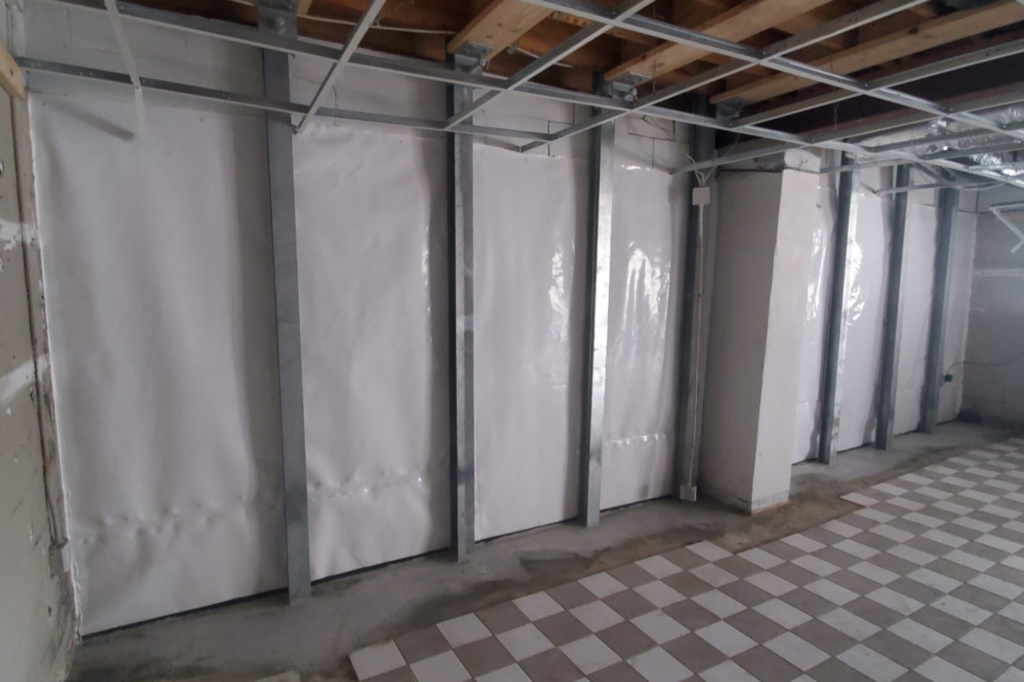
This is a common misconception that can lead to unrealistic expectations. While some minor repairs can be completed quickly, most waterproofing projects require multiple steps and careful execution.
Reality
Effective waterproofing involves:
- Identifying the true source of the problem
- Preparing the space thoroughly
- Applying the correct method
- Allowing sufficient time for materials to perform properly
Rushing through these steps can result in incomplete protection and recurring issues. Taking the necessary time ensures better long-term performance.
Why Timelines Vary More Than Expected
No two basements are exactly alike, which is why timelines can vary significantly. Differences in construction, maintenance history, and environmental exposure all contribute to the length of a project.
In many Richmond basement waterproofing situations, initial timelines are adjusted after a more detailed inspection reveals underlying issues. This is a normal part of the process and helps ensure that all problems are properly addressed.
Practical Tips to Stay on Schedule
Staying on schedule requires preparation and realistic expectations. Here are a few practical tips:
- Clear out the basement before work begins
- Address minor issues early before they become larger problems
- Monitor weather conditions if exterior work is required
- Communicate clearly about the project timeline and expectations
These steps can help minimize delays and keep the project running smoothly.
Long-Term Considerations After Waterproofing
While the installation process is important, long-term maintenance also plays a role in overall effectiveness. Regular inspections and prompt attention to new issues can help extend the lifespan of the waterproofing solution.
Moisture control inside the basement, such as proper ventilation, can also enhance the effectiveness of the work. Maintaining a dry environment helps prevent future complications.
In Summary
The time it takes to waterproof a basement depends on several factors, including the severity of the issue, the method used, and the condition of the space. While some projects can be completed in just a couple of days, others may take up to a week or more to ensure proper results.
Taking a thorough and well-planned approach is key to achieving reliable, long-lasting protection. By understanding what affects the timeline and preparing in advance, homeowners can make smarter decisions and avoid unnecessary delays, which Tiger C Construction, LLC prioritizes on every project.
Ready to get started? Contact us today to discuss your project and get expert guidance you can trust.
People Also Ask
How long does basement waterproofing last?
When done correctly, waterproofing can provide long-term protection. The lifespan depends on the method used and how well the underlying issue was addressed.
Can waterproofing be done in winter?
Interior waterproofing can usually be done year-round, while exterior work may be affected by freezing temperatures and soil conditions.
Is waterproofing necessary for minor moisture?
Yes, addressing minor moisture early can prevent more serious problems from developing over time.
What is the fastest waterproofing method?
Sealants and minor crack repairs are typically the fastest solutions, but they are best suited for smaller issues.
Does waterproofing improve property value?
A dry basement improves overall condition and can make a property more appealing by reducing the risk of water-related damage.