
If you’ve noticed things like lingering dampness, a musty smell, visible mold, or even higher energy bills, your crawl space might need attention. These are often signs that excess moisture and unregulated airflow are starting to impact your home from underneath. Taking care of the problem early can help protect your home’s structure and create a healthier indoor environment.
Overview of Crawl Space Conditions in Humid Climates
Crawl spaces are naturally vulnerable to moisture because they are located directly above the ground, where humidity levels are often higher. In humid climates, warm air carries moisture into enclosed spaces, and when that air cools, condensation forms on surfaces such as wood framing, insulation, and pipes.
Over time, this repeated cycle creates a damp environment that can lead to a range of problems. Many homes still rely on vented crawl spaces, which were originally designed to promote airflow. However, in practice, these vents often allow more moisture to enter rather than escape. This leads to ongoing dampness that can compromise structural components and indoor air quality.
Understanding how moisture behaves in enclosed areas beneath a home is key to recognizing when a more controlled solution is needed. When evaluating options like crawl space encapsulation in Richmond, homeowners often find that encapsulation works by sealing the area and limiting exposure to outside air, helping maintain consistent conditions below the living space.
Key Warning Signs Your Crawl Space Needs Encapsulation
Persistent Moisture or Standing Water
One of the most obvious signs of a problem is moisture. This can appear as damp soil, condensation on surfaces, or even standing water after rainfall.
Even if water is not pooling, consistent dampness should not be ignored. Moisture can slowly seep into wooden beams and supports, weakening them over time. It also creates an environment where other issues, such as mold and pests, can develop more easily.
Routine inspections can help identify these conditions early. If moisture is present regularly, it is a strong indication that the crawl space is not properly protected.
Musty Odors Inside the Home
A musty smell in your home often originates from the crawl space. This happens because air naturally rises through a structure, carrying odors and particles from below into living areas.
These odors are typically more noticeable during humid weather or after rainfall. They may persist even after cleaning or the use of air fresheners because the source remains untreated. Over time, this can make indoor spaces feel uncomfortable and less inviting.
Musty odors are often one of the earliest warning signs of excess moisture and should be taken seriously.
Mold and Mildew Growth
Mold and mildew are common in damp environments, and crawl spaces provide ideal conditions for both when moisture is present.
| Factor | Mold | Mildew |
| Appearance | Dark, patchy, or fuzzy | Light, powdery coating |
| Impact | Can damage materials | Usually surface-level |
| Spread | Penetrates deeper | Limited growth |
| Odor | Strong and persistent | Mild but noticeable |
Mold can spread into wooden structures and insulation, causing damage that may not be immediately visible. It can also release spores into the air, which may circulate throughout the home. Addressing moisture is essential to preventing mold from developing or spreading further.
Increased Energy Bills
An inefficient crawl space can directly affect your home’s energy performance. When humid air enters from below, it disrupts the indoor temperature balance.
Heating and cooling systems must work harder to compensate for this imbalance. You may notice longer run times, uneven temperatures between rooms, or difficulty maintaining comfort levels. Over time, this increased workload leads to higher energy usage.
Improving conditions in the crawl space can help reduce this strain and support more consistent indoor temperatures.
Sagging Floors or Structural Issues
Structural warning signs often develop gradually but should not be ignored. Floors may feel uneven or soft, and doors or windows may begin to stick.
These issues are often caused by prolonged exposure to moisture, which weakens wooden supports. As the materials absorb water, they can warp, rot, or lose their strength. This can eventually affect the stability of the entire structure.
Early detection is important, as addressing the underlying moisture problem can prevent further deterioration.
Pest Infestations
Moist crawl spaces attract pests seeking shelter and a water source. Common intruders include termites, rodents, and insects.
Once pests enter the crawl space, they can cause additional damage by chewing through wood, insulation, and other materials. They may also introduce contaminants that affect indoor air quality.
Keeping the crawl space dry and controlled is one of the most effective ways to reduce the risk of infestations.
Insulation Damage or Failure
Insulation is essential for maintaining indoor comfort, but it is highly sensitive to moisture. When exposed to damp conditions, insulation can become saturated, compressed, or fall out of place.
Wet insulation loses its ability to regulate temperature effectively. It can also become a breeding ground for mold, exacerbating the problem. Replacing damaged insulation without addressing the source of moisture will not provide a long-term solution.
Comparison: Encapsulated vs. Unsealed Crawl Space
| Feature | Unsealed Crawl Space | Encapsulated Crawl Space |
| Moisture Control | Inconsistent | Stable and controlled |
| Air Quality | Often compromised | Improved |
| Energy Efficiency | Lower | Higher |
| Pest Exposure | More common | Reduced |
| Structural Durability | May decline over time | Better long-term stability |
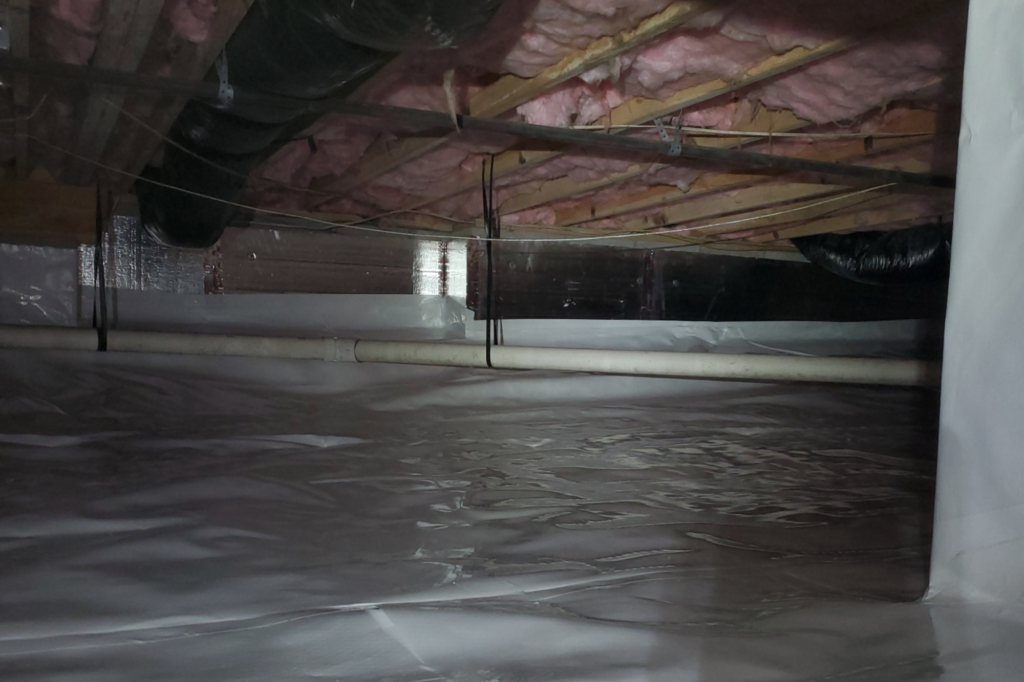
Creating a sealed environment helps limit moisture and unwanted air intrusion. For homeowners considering Richmond crawl space encapsulation, this approach protects structural components and supports a healthier indoor environment.
Applying This to Solve the Problem
Step-by-Step Evaluation Process
- Inspect for visible moisture
Look for damp soil, condensation, or standing water. - Assess indoor air quality
Pay attention to odors or signs of high humidity. - Examine structural components
Check for wood damage, discoloration, or warping. - Check the insulation condition
Ensure insulation is dry and properly installed. - Monitor energy usage
Look for patterns of increased energy consumption. - Schedule a professional inspection
A detailed evaluation can confirm the extent of the issue.
In one case, a homeowner noticed mild dampness and a slight odor during a routine inspection. Addressing the issue with crawl space encapsulation in Richmond, VA, helped stabilize the environment and prevent further complications.
When to Act Immediately
Certain warning signs require immediate attention:
- Standing water that does not drain
- Visible mold growth
- Structural changes, such as sagging floors
- Persistent indoor air quality issues
In another example, delaying action allowed moisture to spread, worsening conditions. After Richmond, VA, crawl space encapsulation was implemented, it became more stable and easier to manage.
Common Misconception About Crawl Space Encapsulation
Myth: Crawl Space Vents Keep the Area Dry
A common belief is that vents help remove moisture from crawl spaces. In reality, they often allow humid air to enter, especially in warm climates.
When this air cools in the crawl space, condensation forms, increasing moisture levels. This creates a cycle that is difficult to control using ventilation alone.
A sealed system offers a more reliable solution by limiting outside air and maintaining consistent conditions. This approach has proven more effective than traditional venting methods.
In Summary
Crawl space issues can begin subtly but lead to serious problems if left unaddressed. Moisture, odors, mold, and structural changes are all signs that something is wrong beneath your home. Recognizing these warning signs early allows you to take action before the damage worsens.
Encapsulation provides a practical way to control moisture and stabilize the crawl space environment. By addressing the root cause of these issues, homeowners can improve air quality, protect structural components, and maintain a more comfortable living space over time.
If you’re seeing signs of moisture or want to stay ahead of potential damage, it’s time to take a closer look. The team at Tiger C Construction, LLC takes a structured, no-shortcuts approach to identifying and resolving underlying issues, so you get results that last.
Contact us today to schedule a professional evaluation and get clear, tailored next steps for your home.
People Also Ask
How do I know if my crawl space has excess moisture?
Look for damp soil, condensation, musty odors, or visible mold growth. These are strong indicators of a moisture problem.
Does encapsulation improve indoor air quality?
Yes, sealing the crawl space helps prevent moisture and contaminants from entering the home.
Can crawl space issues affect energy efficiency?
Yes, uncontrolled air and moisture can make heating and cooling systems less efficient.
Is mold in a crawl space dangerous?
Mold can damage materials and affect air quality, so it should be addressed promptly.
How often should a crawl space be inspected?
At least once a year, or after major weather changes, to ensure conditions remain stable.