
Foundation problems become more noticeable after heavy rainfall because saturated soil can expand, lose strength, and place additional pressure against foundation walls. Excess groundwater can also expose existing cracks, drainage deficiencies, and structural movement that may have been less obvious during dry weather. These changes can reveal underlying problems that require professional evaluation.
How Does Heavy Rainfall Affect the Soil Around Your Foundation
Heavy rainfall changes soil moisture, which can affect how well the ground supports a home’s foundation. Saturation, soil expansion, and water pressure can contribute to foundation movement or worsen existing damage.
1. Saturated Soil Reduces Ground Stability
Excess water can soften certain soils and reduce their ability to support a foundation. Uneven soil conditions may worsen settlement, causing floor alignment changes, wall cracks, or sticking doors.
2. Expansive Clay Soil Swells When Wet
Clay-rich soil can expand when wet and shrink as it dries. Uneven moisture levels around a home may cause differential foundation movement. However, the risk depends on the soil type and foundation design.
3. Water Pressure Builds Against Foundation Walls
Hydrostatic pressure occurs when accumulated groundwater pushes against foundation walls. This pressure can worsen existing weaknesses, leading to:
- Horizontal or stair-step cracks
- Water seepage through wall joints
- Damp basement walls
- Bowing or inward wall movement
Persistent wall displacement requires professional evaluation because waterproofing alone may not resolve structural damage.
Why Do Foundation Cracks Become More Visible After Rain
Foundation cracks may become more noticeable after storms because moisture changes the appearance of concrete or masonry, water passes through existing openings, or surrounding soil movement adds stress to the structure.
A crack that seemed insignificant in dry weather may become easier to spot once water stains or dampness develop around it.
However, not every visible crack indicates foundation failure.
Some cracks result from normal concrete shrinkage, while others develop because of settlement, soil movement, or structural loading.
Understanding Different Types of Foundation Cracks
| Crack Type | What It May Indicate | Recommended Response |
| Hairline cracks | Concrete shrinkage or minor movement | Document and monitor |
| Vertical cracks | Shrinkage or possible settlement | Evaluate if widening or leaking |
| Stair-step cracks | Movement affecting masonry joints | Request professional assessment |
| Horizontal cracks | Possible lateral soil pressure | Arrange prompt structural evaluation |
| Widening or displaced cracks | Potential ongoing movement | Seek qualified inspection |
The crack’s width, direction, displacement, location, and progression matter more than its appearance alone.
Homeowners researching foundation repair in Richmond should understand that identifying why a crack developed is more important than simply covering it.
A successful repair addresses the underlying cause, not just the visible opening.
What Foundation Warning Signs Should Homeowners Check After Heavy Rain
Rain-related foundation problems don’t always show up as obvious structural cracks. Changes throughout the home may provide additional clues.
Interior Warning Signs
Watch for:
- Doors or windows that suddenly stick
- New cracks around doorframes
- Uneven or noticeably sloping floors
- Gaps between walls and baseboards
- Cracks extending across ceilings
- Dampness near basement wall connections
A single symptom does not establish a foundation problem. Multiple changes appearing together, particularly when worsening, deserve closer investigation.
Exterior Warning Signs
Outside the home, examine visible areas for:
- Soil erosion near foundation walls
- Standing water beside the house
- Separation around exterior steps
- Cracks in foundation masonry
- Downspouts discharging directly against the structure
- Changes in the alignment of exposed foundation walls
For homeowners in Richmond’s Fan District, where houses can have different foundation designs and construction histories, examining existing drainage conditions can be especially useful.
The goal is not to assume that every older structure has foundation damage. Instead, homeowners should document changes and look for consistent patterns.
Can Poor Drainage Make Foundation Problems Worse
Yes. Poor drainage can increase the amount of water accumulating near foundation walls and create conditions that contribute to moisture intrusion, soil erosion, or structural stress.
Even a properly constructed foundation may experience moisture-related problems when large volumes of runoff repeatedly collect around it.
Common drainage concerns include clogged gutters, improperly positioned downspouts, negative grading, and inadequate subsurface drainage.
Negative grading occurs when the ground slopes toward a building rather than directing surface water away from it.
Water following that slope can collect beside foundation walls and increase the likelihood of basement moisture problems.
Homeowners considering foundation repair in Richmond, VA should have drainage conditions evaluated alongside any visible structural concerns.
Correcting surface water movement may reduce future moisture exposure, although established structural damage may require separate repairs.
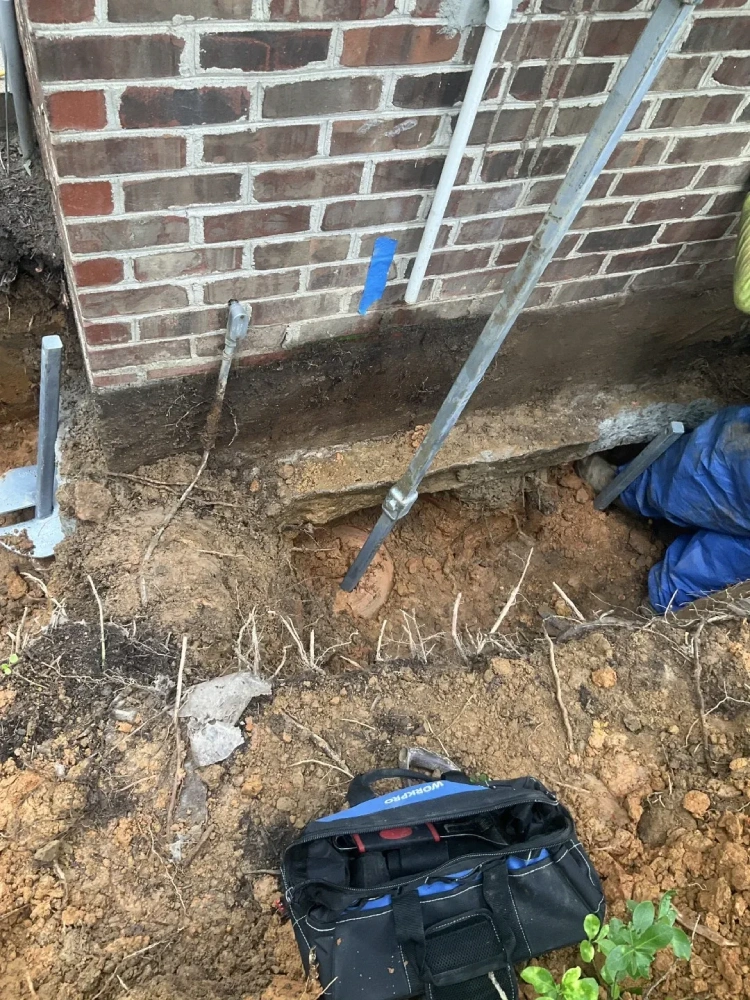
Does Every Foundation Crack After Heavy Rain Mean You Need Major Repairs
No. One common misconception is that any foundation crack appearing after a storm automatically requires extensive structural repair.
In reality, the appropriate response depends on the crack’s cause, severity, and whether movement is continuing.
A minor, stable shrinkage crack may require monitoring or limited treatment. A displaced wall, growing separation, or significant settlement may require a more substantial solution.
Similarly, basement water intrusion does not automatically mean the foundation has lost structural stability.
Water may enter through construction joints, existing openings, or inadequate drainage without indicating major foundation movement.
The opposite is also true: a dry basement does not guarantee a structurally sound foundation.
A reliable assessment distinguishes water management problems from conditions affecting the building’s structural support.
What Should Homeowners Do After Discovering Foundation Problems Following Rain
Homeowners should document visible damage, check for drainage issues, and arrange a professional inspection when structural warning signs appear.
Step 1: Document Visible Changes
Photograph cracks, damp spots, and other unusual conditions. Record when they appeared and whether they worsen after rainfall.
Step 2: Check for Water Buildup
From a safe location, look for overflowing gutters, disconnected downspouts, standing water, and runoff flowing toward the foundation.
Step 3: Inspect Accessible Interior Areas
Look for moisture stains, floor changes, and new cracks. Avoid flooded areas, unsafe crawl spaces, or visibly unstable walls.
Step 4: Schedule a Professional Inspection
A qualified foundation professional can assess structural damage, moisture conditions, and possible causes. Significant wall movement, severe settlement, or immediate safety concerns may require evaluation by a licensed structural engineer.
When researching Richmond foundation repair, prioritize a thorough diagnosis over recommendations based only on a photograph or one visible crack.
Which Foundation Repair Methods Help Address Rain-Related Damage
The right foundation repair method depends on the cause and severity of the damage. Tiger C Construction, LLC provides foundation repairs, structural floor support, basement waterproofing, and exterior drainage services.
Structural Support and Stabilization
Sagging floors or deteriorating supports may require repairs to beams, joists, sill plates, or other structural components to restore stability.
Basement Waterproofing
Waterproofing helps manage moisture intrusion through appropriate drainage improvements, water collection systems, or other targeted solutions.
Exterior French Drains
French drains collect and redirect excess water away from vulnerable areas when site conditions allow.
For homes in Church Hill, drainage assessments should consider grading, surrounding surfaces, and foundation design. Addressing the underlying cause helps determine the right combination of repairs.
How Can Homeowners Reduce Future Rain-Related Foundation Problems
Preventive maintenance can help reduce unnecessary water exposure around a home’s foundation.
Important measures include:
- Maintain gutters and downspouts. Keep roof runoff flowing away from foundation walls.
- Monitor ground grading. Identify areas directing rainwater toward the house.
- Address recurring standing water. Persistent pooling may indicate a drainage issue.
- Inspect after major storms. Compare new conditions with previous observations.
- Monitor crawl space and basement moisture. Recurring dampness deserves investigation.
- Repair identified structural concerns. Don’t assume improved drainage will reverse existing damage.
Preventive maintenance is particularly valuable because water-related symptoms can develop gradually.
Protect Your Home Before Foundation Problems Become More Serious
Heavy rainfall can expose foundation weaknesses that otherwise remain unnoticed. Recognizing changes in cracks, floors, walls, and drainage can help homeowners decide when professional attention is needed.
With more than 20 years of experience, Tiger C Construction, LLC helps homeowners address foundation concerns, moisture intrusion, and structural support problems.
If you notice warning signs after a storm, understanding the cause is the first step in exploring your foundation repair options.
Contact us today to request a free estimate and discuss the appropriate next steps for your home.
People Also Ask
Can Heavy Rain Cause a Foundation to Sink?
Heavy rain can contribute to settlement when soil erosion, loss of soil strength, or other ground conditions reduce foundation support. However, rainfall alone does not prove that settlement has occurred.
Why Do My Doors Stick After Heavy Rain?
Doors may stick because moisture causes wooden frames to swell. Foundation movement can also affect door alignment, especially when accompanied by widening cracks or uneven floors.
How Long Does It Take for Soil Around a Foundation to Dry?
Drying time depends on soil type, drainage, temperature, rainfall, and groundwater conditions. Some areas drain relatively quickly, while poorly drained soil can remain wet much longer.
Can Foundation Cracks Stop Leaking Without Repairs?
A crack may stop leaking when groundwater levels drop, but the opening can remain. Future rainfall may cause water intrusion again unless the underlying water entry problem is addressed.