
Crawl space encapsulation protects the lower part of a home by sealing and controlling the space to keep it dry and stable. For Richmond homes, the process includes inspection, preparation, sealing, adding moisture control, and final testing. These steps help create a cleaner and more dependable environment beneath the home.
Richmond neighborhoods such as West End, Church Hill, and Lakeside often experience warm seasons and humidity. These conditions can affect crawl spaces, which makes crawl space encapsulation Richmond an important service for many homeowners who want a safer and more controlled space.
Key Takeaways
- The process includes inspection, preparation, and sealing
- Moisture control is added to keep the crawl space balanced
- Richmond homes benefit due to local humidity levels
- A moisture barrier protects the crawl space floor and walls
- Professional service helps improve comfort inside the home
Step One: Initial Inspection
A full inspection is the first step. A professional checks for moisture, leaks, odors, and structural concerns. Some homes in areas near the river or older neighborhoods tend to show early signs of moisture in the crawl space. The inspection helps identify the right plan so the work is completed correctly from the start.
Step Two: Preparing the Crawl Space
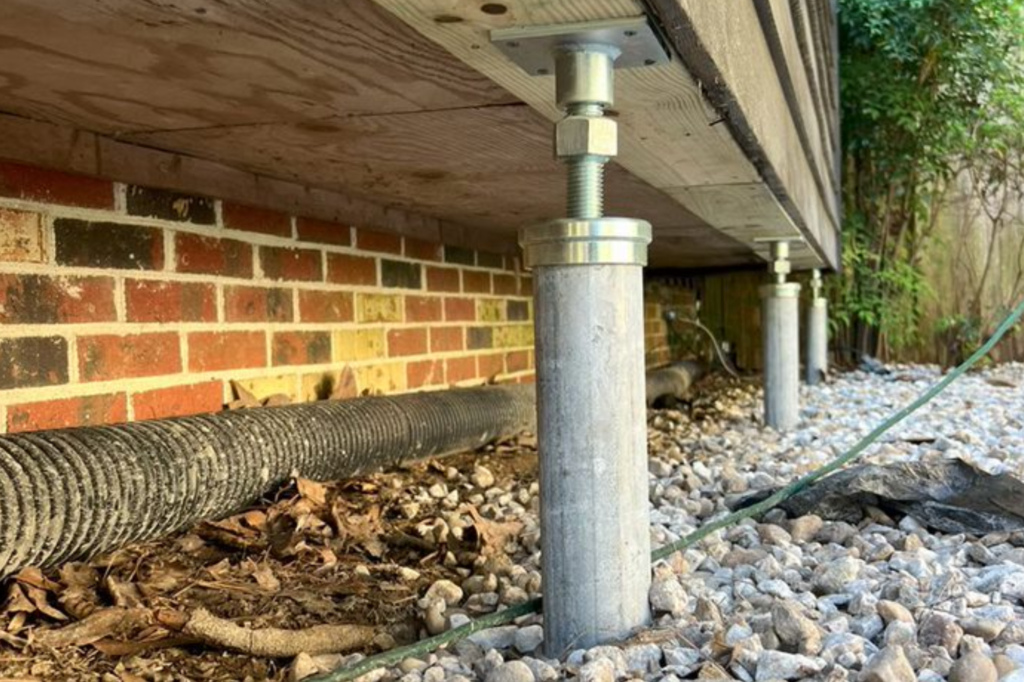
The next step is preparation. This includes removing debris and clearing old materials. The soil may be smoothed, and any standing moisture is addressed. Preparation is a key part of Richmond crawl space encapsulation because it ensures the area is ready for sealing and barrier installation.
Step Three: Sealing Vents and Gaps
All vents and gaps are sealed to prevent outside air from moving into the crawl space. Many older Richmond homes have open vents that let outdoor air move freely. Once sealed, the crawl space becomes easier to control and less affected by humidity. This is a major step in crawl space encapsulation that Richmond homeowners depend on.
Step Four: Installing Moisture Barriers
A moisture barrier is then installed along the floors and walls. This layer blocks ground moisture and helps stabilize the crawl space. Since Richmond often experiences periods of high humidity, this barrier is one of the most important parts of the process. It helps keep the space dry and protects the home above it.
Step Five: Adding Air or Moisture Control Systems
A moisture control system is added to help manage humidity levels. Each home requires a system that fits its size and layout. The goal is to keep the crawl space balanced and ensure long-term protection. This part of the Richmond crawl space encapsulation service helps maintain consistent conditions year-round.
Step Six: Final Testing and Walkthrough
Once everything is installed, a final test and walkthrough are conducted. Moisture levels are checked, and the sealing work is reviewed. Homeowners can see the completed work and learn how the new system supports the rest of the home.
In Summary
Crawl space encapsulation is a simple way to protect the lower structure of a home. When done correctly, it creates a cleaner and more stable environment that supports the entire house. If your Richmond home has moisture concerns or you want more control over your crawl space, help is available from Tiger C Construction, LLC. Ready for a quote? Contact us today.