
The best way to prevent moisture problems after crawl space encapsulation is to control humidity, maintain proper drainage, inspect the space regularly, and promptly fix leaks or damage. Although encapsulation creates a strong moisture barrier, ongoing maintenance is essential to prevent water intrusion, protect your home’s structure, improve indoor air quality, and maximize the system’s long-term performance.
Why Moisture Prevention Still Matters
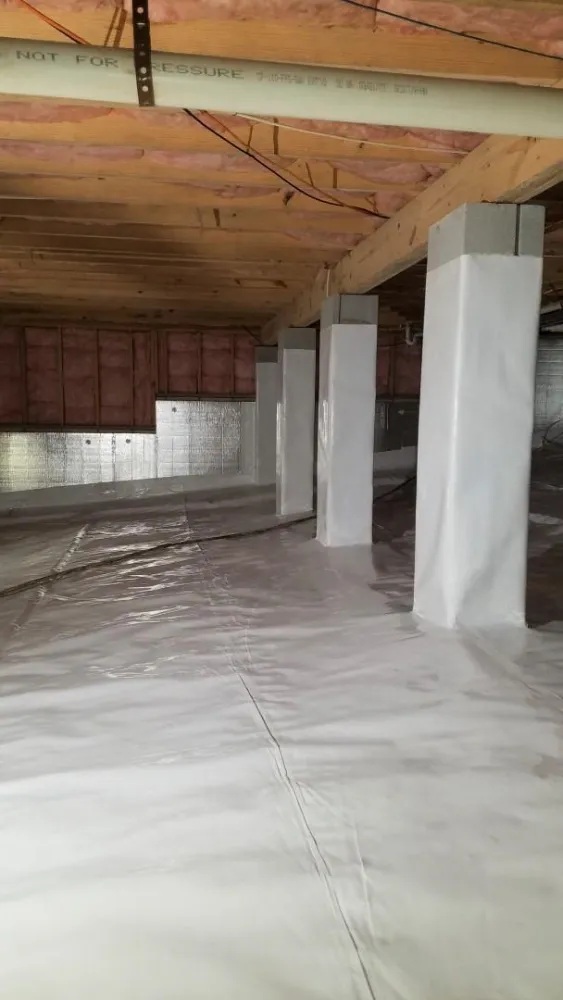
A crawl space is constantly exposed to changing weather conditions, groundwater, and humidity. Encapsulation creates a sealed environment using a heavy-duty vapor barrier, sealed vents, and often a dehumidifier. Together, these components help reduce moisture movement beneath the home.
However, encapsulation is only one part of a complete moisture management strategy. Regular inspections and preventive maintenance help ensure the system continues to work as intended.
Homeowners researching crawl space encapsulation in Richmond often focus on installation, but ongoing maintenance is equally important for protecting the system over the years.
Problems Caused by Excess Moisture
When moisture is allowed to build up, it can lead to:
- Mold and mildew growth
- Wood rot
- Structural deterioration
- Pest infestations
- Poor indoor air quality
- Increased heating and cooling costs
- Damaged insulation
Preventing these issues is much easier and less expensive than repairing them after significant damage has occurred.
Crawl Space Encapsulation vs. Moisture Prevention
| Crawl Space Encapsulation | Ongoing Moisture Prevention |
| Installs a durable vapor barrier | Monitors humidity levels |
| Seals vents and air leaks | Maintains drainage systems |
| Improves energy efficiency | Repairs plumbing leaks promptly |
| Reduces outside moisture | Inspects equipment regularly |
| Helps control mold growth | Identifies water intrusion early |
Encapsulation provides the foundation for moisture control, while maintenance ensures the protection continues throughout the life of the system.
7 Effective Ways to Prevent Moisture Problems
1. Monitor Humidity Levels
Humidity is one of the biggest indicators of crawl space health.
Ideally, relative humidity should remain below 60 percent. Using a digital hygrometer allows homeowners to identify rising humidity before mold or condensation develops.
If humidity begins to increase, investigate the source immediately rather than waiting for visible signs of damage.
2. Maintain Your Crawl Space Dehumidifier
Many encapsulated crawl spaces include a dehumidifier to regulate moisture levels.
Proper maintenance includes:
- Cleaning or replacing filters.
- Inspecting drain lines.
- Verifying continuous drainage.
- Checking electrical connections.
- Scheduling annual professional servicing.
A neglected dehumidifier cannot effectively remove moisture, reducing the performance of the entire encapsulation system.
3. Keep Water Away From the Foundation
Most crawl space moisture originates outside the home.
Protect your encapsulation system by:
- Cleaning gutters regularly.
- Extending downspouts away from the foundation.
- Maintaining proper grading.
- Eliminating standing water.
- Repairing damaged drainage systems promptly.
During a recent inspection near The Fan District, poor exterior grading allowed rainwater to collect against the home’s foundation, increasing humidity beneath the crawl space despite an otherwise well-installed encapsulation system.
4. Inspect Plumbing Regularly
Small plumbing leaks often go unnoticed because they occur beneath the home.
Check:
- Water supply lines
- Drain pipes
- HVAC condensate lines
- Water heaters
- Sump pump discharge connections
Repairing even a small leak quickly helps prevent mold growth and unnecessary moisture buildup.
5. Examine the Vapor Barrier
The vapor barrier is one of the most important components of any encapsulated crawl space.
Inspect it periodically for:
- Tears
- Loose seams
- Punctures
- Standing water
- Detached wall fasteners
- Animal damage
Addressing minor damage early helps maintain the integrity of the entire moisture control system.
6. Repair Foundation Cracks Promptly
Foundation cracks may allow groundwater or humid air to enter the crawl space.
Professional evaluations can determine whether cracks require simple sealing or more extensive structural repairs. Fixing these issues early reduces the likelihood of future moisture intrusion.
7. Schedule Professional Inspections
Routine inspections help identify problems before they become expensive repairs.
Experienced contractors evaluate:
- Moisture levels
- Drainage performance
- Dehumidifier operation
- Vapor barrier condition
- Foundation movement
- Signs of mold or pests
A homeowner in Church Hill experienced elevated indoor humidity several months after encapsulation. During an inspection, technicians discovered a disconnected dehumidifier drain line. Correcting the issue restored normal humidity levels and prevented further moisture accumulation.
Common Industry Myth: Encapsulation Eliminates Every Moisture Problem
A common misconception is that crawl space encapsulation permanently solves every moisture issue without additional maintenance.
While encapsulation dramatically reduces moisture intrusion, it cannot prevent problems caused by plumbing leaks, foundation settlement, damaged drainage systems, or equipment failures. Routine inspections and timely repairs remain essential for protecting your investment and ensuring long-term performance.
Additional Best Practices for Long-Term Moisture Control
Even with a professionally installed encapsulation system, a few simple habits can make a significant difference in long-term performance.
Keep the Crawl Space Clean
Avoid storing cardboard boxes, wood, or other materials that can absorb moisture inside the crawl space. Clutter can also make inspections more difficult and provide hiding places for pests. Keeping the area clean allows air to circulate more effectively and makes it easier to identify potential problems early.
Watch for Seasonal Changes
Weather conditions can influence the amount of moisture around your home’s foundation. Heavy rainfall, prolonged humidity, or rapid snowmelt can raise groundwater levels and place additional stress on drainage systems.
After severe weather, inspect your gutters, downspouts, and the area around your foundation for standing water or erosion. These simple checks can help prevent moisture from entering the crawl space.
Pay Attention to Indoor Warning Signs
Sometimes the first indication of a crawl space issue appears inside the home rather than beneath it.
Common warning signs include:
- Persistent musty odors
- Floors that feel damp or uneven
- Increased allergy symptoms
- Higher-than-normal indoor humidity
- Unexpected increases in utility bills
Addressing these warning signs early can prevent more extensive repairs later.
Why Professional Maintenance Matters
Although homeowners can perform basic visual inspections, professional evaluations often reveal hidden issues that are difficult to detect without specialized equipment.
Experienced contractors assess:
- Moisture readings
- Drainage efficiency
- Dehumidifier performance
- Vapor barrier condition
- Foundation movement
- Signs of mold, mildew, or pest activity
During a maintenance visit in Scott’s Addition, technicians identified a partially blocked drainage outlet before it caused standing water beneath the home. Early detection helped the homeowner avoid unnecessary repairs while preserving the encapsulation system’s effectiveness.
If you’re considering crawl space encapsulation in Richmond, VA, choosing a contractor with experience in moisture management, not just installation, can help ensure the system continues performing efficiently for years.
Signs It’s Time to Schedule an Inspection
Even if everything appears normal, certain situations warrant a professional inspection.
Schedule an evaluation if you notice:
- Water collecting beneath the vapor barrier
- Persistent musty odors
- Condensation on pipes or ductwork
- Mold growth
- Increased humidity indoors
- Pest activity
- Damage to the vapor barrier
- Foundation cracks
Routine inspections help identify minor concerns before they become major structural or indoor air quality problems.
Why Experience Makes a Difference
Every home presents unique moisture challenges. Soil conditions, drainage patterns, foundation design, and existing water intrusion all influence the effectiveness of an encapsulation system.
Working with knowledgeable professionals ensures that every component, from drainage improvements to humidity control, is evaluated as part of a complete solution rather than treated as a separate issue. This comprehensive approach helps maximize the system’s lifespan while reducing the likelihood of future repairs.
In Summary
Crawl space encapsulation is one of the most effective ways to protect your home from excess moisture, but long-term success depends on consistent maintenance. Monitoring humidity, maintaining drainage, inspecting the vapor barrier, and scheduling routine professional evaluations can help prevent moisture problems before they become expensive repairs.
Whether you’ve recently completed an encapsulation project or are exploring Richmond, VA, crawl space encapsulation options, partnering with an experienced contractor can help you protect your home’s foundation, improve indoor air quality, and extend the life of your investment.
Protecting your crawl space today can help prevent costly structural repairs tomorrow. At Tiger C Construction, LLC, we specialize in professional encapsulation, moisture control solutions, and foundation protection designed to deliver lasting results.
If you’re ready to safeguard your home with expert workmanship and personalized service, Contact Us today to schedule a consultation. Our team is committed to preserving your investment with reliable solutions, honest recommendations, and exceptional customer care.
People Also Ask
Does crawl space encapsulation completely eliminate moisture?
No. Encapsulation significantly reduces moisture intrusion, but ongoing maintenance is still necessary. Plumbing leaks, drainage issues, foundation movement, and equipment failures can still introduce moisture if left unaddressed.
How often should an encapsulated crawl space be inspected?
Most professionals recommend inspecting the crawl space at least once a year. Additional inspections are advisable after severe storms, plumbing leaks, or flooding to ensure the system continues functioning properly.
Do I still need a dehumidifier after encapsulation?
In many homes, yes. A properly sized dehumidifier helps maintain safe humidity levels and prevents condensation, mold growth, and wood deterioration within the encapsulated space.
What humidity level is recommended for an encapsulated crawl space?
Generally, indoor humidity should remain below 60 percent. Monitoring humidity with a hygrometer provides an easy way to identify potential moisture issues before they become serious.
What causes moisture after encapsulation?
Common causes include plumbing leaks, poor exterior drainage, damaged vapor barriers, clogged gutters, foundation cracks, malfunctioning dehumidifiers, and groundwater intrusion.