
You can prevent mold growth after basement waterproofing by maintaining proper humidity levels, improving ventilation, inspecting waterproofing components, and quickly addressing moisture concerns. While waterproofing helps stop water intrusion, ongoing maintenance is necessary to keep the basement dry and reduce conditions that allow mold to develop.
Why Can Mold Still Appear After Basement Waterproofing
Basement waterproofing is designed to control moisture problems caused by groundwater, foundation leaks, and water seepage. However, waterproofing alone does not eliminate every possible source of moisture inside a basement. Mold can still develop when humidity stays high, condensation builds up, or small leaks go untreated.
Mold spores exist naturally in the environment and only become a problem when they have access to moisture and organic materials such as wood, drywall, cardboard, or stored belongings. A waterproofed basement reduces one of the biggest contributors to mold growth, but homeowners must continue managing indoor conditions.
Common moisture sources that may contribute to mold growth include:
- Poor airflow throughout the basement
- High humidity levels
- Condensation on pipes or cool surfaces
- Plumbing leaks
- Wet materials stored indoors
- Blocked drainage systems
For homeowners considering basement waterproofing in Sandston, VA, understanding the connection between water control and moisture management can help protect their investment long after installation.
How Does Waterproofing Reduce The Risk Of Mold Growth
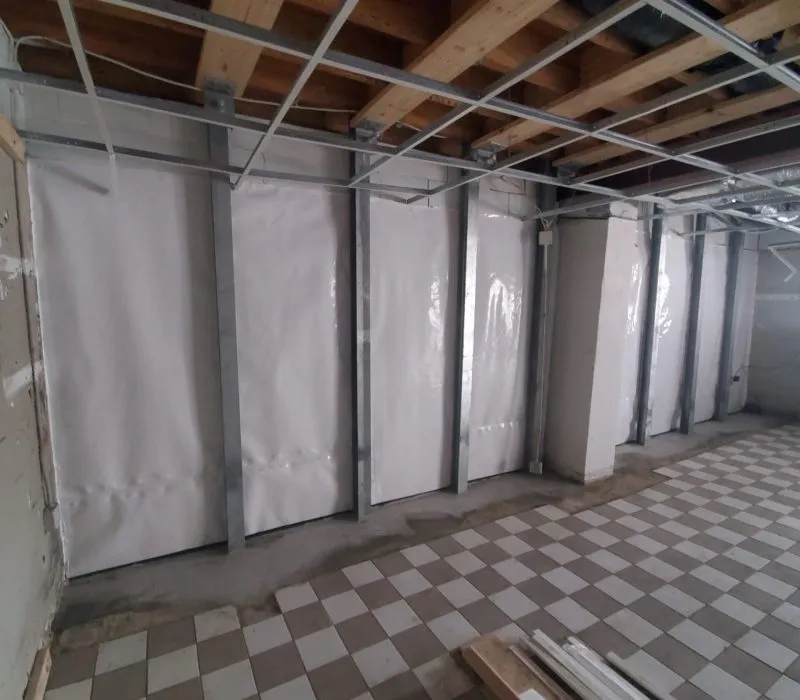
A properly installed waterproofing system helps create a drier basement environment by controlling how water enters and moves around the home. By reducing excess moisture, waterproofing makes it more difficult for mold to grow.
Professional waterproofing solutions may include drainage improvements, moisture barriers, foundation crack repairs, and systems that redirect water away from the basement.
| Waterproofing Component | Purpose |
| Interior drainage systems | Collect and redirect water away from basement areas |
| Exterior waterproof barriers | Help prevent groundwater from entering foundation walls |
| Foundation crack sealing | Reduces water entry through openings and cracks |
| Sump pump systems | Removes collected water from drainage areas |
Each component helps reduce moisture exposure. A complete approach helps homeowners maintain a basement environment less favorable for mold growth.
What Steps Help Prevent Mold After Waterproofing
Control Basement Humidity Levels
Humidity control is one of the most important steps after waterproofing. Even after addressing water intrusion, excessive moisture in the air can create conditions where mold may grow.
Homeowners should monitor basement humidity and take steps to keep moisture levels balanced. Using a dehumidifier can help remove excess moisture from the air, especially during humid seasons.
Additional humidity control practices include:
- Checking humidity levels regularly
- Keeping air moving through the basement
- Avoiding storage of damp materials indoors
- Repairing leaks as soon as they appear
Maintaining proper humidity helps protect walls, flooring, furniture, and stored belongings from moisture-related damage.
Improve Basement Ventilation
Basements often have limited airflow, which can trap moisture. Better circulation reduces stagnant air and supports better moisture management.
Ways to improve basement airflow include:
- Using fans to circulate air
- Keeping vents clear
- Installing proper ventilation systems when needed
- Allowing airflow around stored items
Good ventilation works together with waterproofing by helping control condensation and reducing areas where moisture can collect.
Inspect Waterproofing Systems Regularly
A waterproofing system requires routine checks to continue working effectively. Small maintenance issues can become bigger moisture problems if ignored.
Homeowners should inspect:
- Basement walls and floors for damp areas
- Drainage pathways for blockages
- Sump pumps for proper operation
- Foundation areas for new cracks
- Areas around plumbing fixtures
Regular inspections help identify problems early and allow homeowners to address moisture concerns before mold growth begins.
What Features Should A Basement Waterproofing System Include
Every basement has different moisture challenges, so choose waterproofing solutions based on the property’s specific needs. Professional systems often combine several features to provide better protection.
Drainage Systems
Definition: A drainage system collects unwanted water and directs it away from vulnerable basement areas.
Function: Helps prevent standing water and reduces moisture accumulation near foundations.
Vapor Barriers
Definition: A vapor barrier is a protective material designed to limit moisture movement through basement surfaces.
Function: Helps reduce dampness caused by moisture passing through walls or floors.
Sump Pump Systems
Definition: A sump pump removes collected water from a drainage system and moves it away from the home.
Function: Helps prevent water buildup that can increase basement humidity.
When selecting basement waterproofing in Sandston, homeowners should consider how each component contributes to long-term moisture control rather than focusing only on immediate water removal.
Common Myth: Waterproofing Makes A Basement Completely Mold-Proof
One of the most common misconceptions about waterproofing is that it guarantees a basement will never experience mold problems. While waterproofing significantly reduces moisture intrusion, it doesn’t eliminate the need for regular maintenance.
Mold requires moisture, oxygen, and an organic surface to grow. Waterproofing addresses one of the primary conditions by reducing unwanted water exposure, but other moisture sources can still create risks.
For example, a basement may remain vulnerable if a plumbing pipe develops a slow leak, humidity levels increase, or ventilation is inadequate. Preventing mold requires a combination of professional waterproofing, proper maintenance, and responsible moisture management.
How Professional Waterproofing Helps Protect Your Investment
Professional waterproofing provides homeowners with solutions designed around the cause of their moisture problems. Instead of only addressing visible water, experienced contractors evaluate drainage, foundation conditions, and potential entry points.
Tiger C Construction, LLC helps homeowners protect their properties by providing solutions focused on managing moisture and improving basement conditions. With proper planning and installation, waterproofing can help reduce water-related concerns and create a more functional basement space.
A properly maintained system can provide long-term benefits, including:
- Reduced risk of moisture damage
- Better basement usability
- Protection for stored belongings
- Improved comfort inside the home
Homeowners in areas such as Sandston Heights, Seven Pines, and Elko can benefit from understanding how local property conditions and moisture management strategies impact basement protection.
What Are The Warning Signs Of Basement Moisture Problems
Even after waterproofing, homeowners should watch for signs that may indicate developing moisture concerns. Early detection lets you address problems before they become more extensive.
Common warning signs include:
- Musty odors throughout the basement
- Visible mold spots on walls or materials
- Damp or discolored areas
- Condensation on pipes or surfaces
- Water pooling near foundation areas
If these issues appear, a professional evaluation can help determine whether adjustments or repairs are needed.
How Often Should A Waterproofed Basement Be Maintained
Inspect a waterproofed basement regularly to ensure all components continue operating properly. Seasonal inspections are especially helpful before and after periods of heavy rainfall or increased humidity.
Maintenance may include checking sump pumps, clearing drainage areas, inspecting visible foundation surfaces, and monitoring indoor humidity.
Consistent care helps extend the effectiveness of Sandston VA basement waterproofing systems and reduces the likelihood of unexpected moisture problems.
Why Choose Professional Basement Waterproofing Services
Basement moisture issues can have multiple causes, so a professional evaluation is valuable. A qualified contractor can identify where water is entering, recommend appropriate solutions, and install systems designed for the property’s needs.
Tiger C Construction, LLC is committed to helping homeowners address basement moisture concerns with reliable solutions. By focusing on proper installation and long-term protection, the company helps homeowners preserve their properties and create healthier living spaces.
In Summary
Preventing mold growth after waterproofing requires more than installing a moisture barrier. Homeowners must maintain proper humidity levels, improve airflow, inspect waterproofing components, and address moisture concerns quickly.
Tiger C Construction, LLC provides professional solutions designed to help homeowners protect their basements from water-related problems.
Contact us today to learn how reliable waterproofing can help preserve your home and create a cleaner, more comfortable basement environment.
People Also Ask
Can mold grow after basement waterproofing?
Yes. Waterproofing reduces moisture intrusion but does not eliminate every possible cause of mold. Managing humidity, improving ventilation, and maintaining the system are still important.
How do I keep my basement dry after waterproofing?
Homeowners can keep basements dry by monitoring humidity, maintaining drainage systems, checking for leaks, and using moisture-control solutions when needed.
Does basement waterproofing prevent all water problems?
Basement waterproofing helps address many common moisture issues, but regular inspections and maintenance are necessary to manage future risks.
How long does a basement waterproofing system last?
The lifespan depends on the waterproofing method, installation quality, environmental conditions, and maintenance practices. Routine inspections can help ensure continued performance.