
Interior dehumidifiers can reduce humidity, but they cannot stop groundwater, rainwater, or other sources of water intrusion from entering a basement. When moisture is entering through foundation cracks, floor joints, drainage problems, or hydrostatic pressure, the lasting solution is to identify and address the source rather than simply remove moisture from the air.
What Does a Basement Dehumidifier Actually Do?
A dehumidifier removes water vapor from the air. It can be useful when a basement has elevated humidity caused by damp conditions, condensation, or moisture that remains after a water problem has been addressed.
However, a dehumidifier is fundamentally an air-moisture control device, not a waterproofing system. It does not seal foundation walls, redirect groundwater, repair drainage problems, or prevent water from entering through cracks and joints.
This distinction matters because a basement can have both high humidity and active water intrusion. Running a dehumidifier may make the air feel drier while water continues entering the structure.
For homeowners researching basement waterproofing in Midlothian, VA, understanding this difference is an important first step. Effective moisture management begins with determining where the water is coming from and how it is reaching the basement.
Dehumidifier vs. Waterproofing
| Solution | Primary Function | Addresses Water Entry? | Best Used For |
| Dehumidifier | Removes moisture from air | No | Controlling humidity |
| Interior drainage | Collects and redirects water | Yes | Managing water entering below grade |
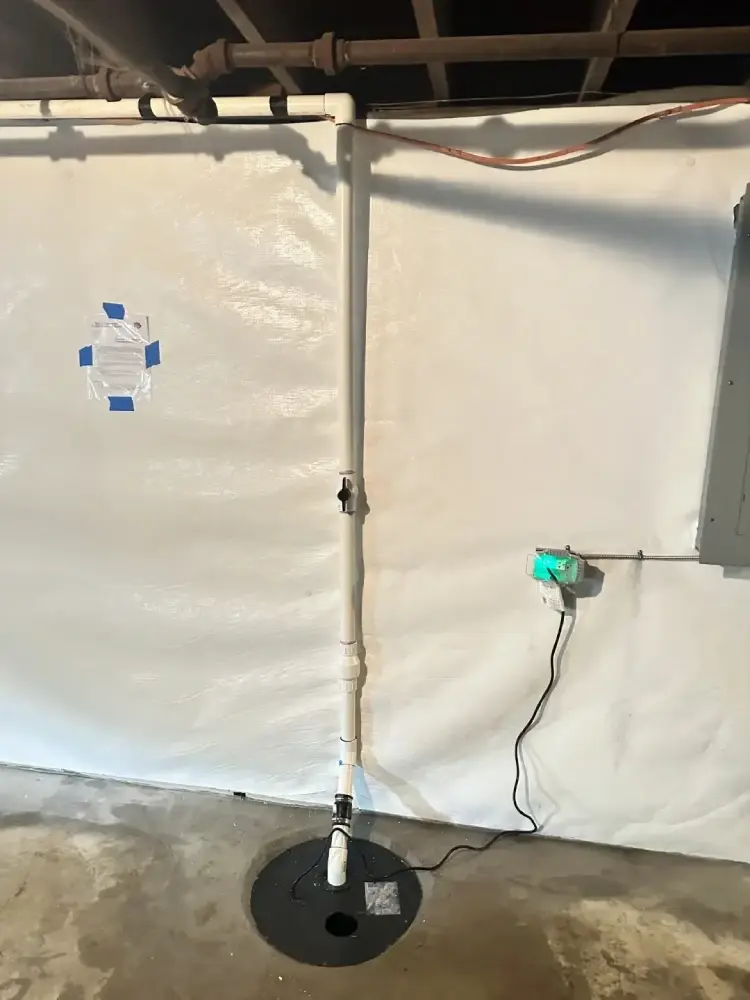
| Sump pump | Removes collected water | Yes, as part of a drainage system | Pumping accumulated water away |
| Exterior waterproofing | Helps prevent water from reaching foundation walls | Yes | Exterior water intrusion |
| Foundation repair | Addresses structural foundation problems | Sometimes | Cracks, movement, or structural damage |
Tiger C Construction explains that interior waterproofing can include an interior drainage system and sump pump, while exterior waterproofing may involve protective membranes and underground drainage. The appropriate approach depends on the source and severity of the moisture problem.
Why Dehumidifiers Cannot Stop Water Intrusion
Water entering a basement follows a physical path. If that path remains open, removing moisture from the air does not eliminate the underlying source.
Common pathways include:
- Foundation wall cracks
- Floor and wall joints
- Poor exterior drainage
- Groundwater pressure
- Hydrostatic pressure
- Water collecting around the foundation
- Drainage systems that are inadequate or overwhelmed
- Water entering through vulnerable foundation areas
Tiger C Construction identifies foundation cracks, poor drainage, clogged gutters, and groundwater pressure among the ways water can enter a basement.
A dehumidifier may reduce the humidity produced by that moisture, but it cannot redirect water away from the foundation.
How Water Intrusion Behaves
Consider a basement where groundwater is pushing against the foundation after heavy rainfall. If water finds a crack or another vulnerable point, it can move through the foundation and enter the basement.
A dehumidifier may collect some of that moisture after it evaporates into the air. But the groundwater pressure and entry point remain.
That creates a cycle:
- Water reaches the foundation.
- Water enters through a vulnerable area.
- Moisture accumulates in the basement.
- A dehumidifier removes some moisture from the air.
- The source of water remains.
- Additional moisture continues entering.
The machine is treating one consequence rather than correcting the cause.
Signs Your Basement Has a Water Intrusion Problem
High humidity is not always evidence of active water intrusion. Homeowners should look for physical signs that indicate water is entering or has entered the basement.
Common Warning Signs
- Water stains on foundation walls
- Damp or wet flooring
- Musty odors
- Peeling paint or wallpaper
- White, chalky deposits known as efflorescence
- Visible cracks in walls or floors
- Standing water
- Moisture appearing after rainfall
- Repeated puddling in the same area
- Mold or mildew associated with persistent moisture
These signs can help distinguish a simple humidity problem from a broader water-management issue.
A homeowner in Brandermill who notices water appearing after storms, for example, should not assume that lowering indoor humidity will solve the problem. Recurring water entry warrants an assessment of the foundation and drainage conditions.
What Is Hydrostatic Pressure?
Hydrostatic pressure is the force created when water accumulates in soil and pushes against below-grade foundation walls. Heavy rainfall or poor drainage can saturate soil and increase this pressure, potentially contributing to foundation bowing and cracking.
A dehumidifier cannot relieve hydrostatic pressure because it only removes moisture from indoor air. Foundation moisture problems should be addressed based on their source, including soil conditions and drainage.
What Should Homeowners Do When a Dehumidifier Is Not Enough?
The first step is to identify the source and pathway of the moisture. A professional assessment can help determine whether the problem involves foundation cracks, interior water entry, exterior drainage, groundwater, or another condition.
Tiger C Construction describes the Midlothian basement waterproofing process as beginning with a thorough inspection, followed by a customized solution and complete cleanup.
A Practical Moisture-Assessment Process
1. Look for patterns
Note when moisture appears. Does it occur only after heavy rain, throughout the year, or primarily during humid weather?
2. Identify visible entry points
Check foundation walls, floor joints, cracks, and areas where water appears to collect.
3. Examine exterior drainage
Water should not be allowed to accumulate unnecessarily around the foundation. Drainage conditions outside the home can influence what happens below grade.
4. Determine whether drainage is needed
Depending on the source, an interior drainage system, sump pump, exterior drainage, or another waterproofing approach may be appropriate.
5. Address the underlying problem
Once the source is identified, the solution should focus on controlling or redirecting water rather than relying solely on humidity removal.
Basement Waterproofing Is About Water Management
Basement waterproofing is broader than simply applying a coating to a wall. The objective is to control how water interacts with the foundation and prevent moisture from creating ongoing problems inside the home.
Tiger C Construction provides both interior and exterior options for basement waterproofing services in Midlothian, VA. Its website explains that interior waterproofing can use drainage and sump pump systems, while exterior waterproofing can involve membranes and underground drainage.
The right solution depends on the structure and the source of the water. There is no universal waterproofing method that is appropriate for every basement.
For homeowners in Woodlake, recurring moisture should therefore be evaluated based on the property’s actual conditions rather than simply the humidity reading inside the basement.
Debunking the Myth: A Dehumidifier Can Fix a Wet Basement
A common misconception is that a powerful enough dehumidifier can make a wet basement dry.
That is not necessarily true.
A dehumidifier can be valuable for controlling airborne humidity, but it cannot repair a foundation crack, redirect groundwater, correct an exterior drainage problem, or stop water from entering through a structural pathway.
Think of it this way: if water is entering a basement through a crack, removing humidity from the room does not close the crack.
A dehumidifier can be part of an overall moisture-control strategy, particularly after the underlying water problem has been addressed. But it should not be considered a substitute for investigating active water intrusion.
Why the Source Matters More Than the Humidity Reading
Humidity readings show moisture in the air but do not identify its source. Condensation, foundation cracks, groundwater, and poor drainage require different solutions.
A proper evaluation considers:
- Where and when moisture appears
- Whether rainfall affects it
- Visible water pathways
- Foundation conditions
- Exterior drainage
- Whether interior drainage is appropriate
Tiger C Construction emphasizes customized solutions based on the home’s specific moisture conditions.
How Tiger C Construction Approaches Basement Moisture Problems
Tiger C Construction, LLC is a family-owned company that states it has more than 20 years of experience working on basements, crawl spaces, foundations, and drainage issues. The company serves Midlothian and surrounding Virginia communities.
Its basement waterproofing in Midlothian process includes a thorough inspection, consultation about the appropriate solution, and cleanup after the work is completed. The company offers interior and exterior waterproofing options as well as related drainage and foundation services.
This approach is important because basement moisture problems can have different causes. A homeowner should understand the source of the water before deciding whether the property needs drainage, waterproofing, foundation work, or another corrective measure.
Treat the Water Source, Not Just the Humidity
Interior dehumidifiers have a useful role in controlling airborne moisture, but they cannot solve active water intrusion. When water is entering through the foundation or accumulating because of drainage conditions, the priority should be identifying the source and choosing a solution designed to manage that water.
Tiger C Construction, LLC provides basement waterproofing, drainage, foundation repair, and crawl space services based on the specific conditions of each property.
If recurring moisture is becoming a concern, Contact Us to discuss your basement and request an evaluation.
People Also Ask
Can A Dehumidifier Stop Basement Leaks?
No. A dehumidifier removes moisture from the air but does not stop water entering through cracks, drainage issues, or groundwater pressure.
Should I Use A Dehumidifier In A Basement?
Yes, it can help control humidity, but it should not replace an evaluation for active leaks, standing water, or recurring dampness.
What Is The Best Way To Stop Basement Water Intrusion?
The solution depends on the source and may include interior drainage, sump pumps, exterior drainage, waterproofing, or foundation repair.
How Do I Know If I Need Basement Waterproofing?
Recurring leaks, water stains, standing water, musty odors, efflorescence, or moisture that worsens after rainfall may indicate a need for evaluation.