
A crawl space waterproofing system needs repair or replacement when it can no longer control moisture effectively. The most common warning signs include standing water, persistent humidity, mold growth, structural damage to wood, and sump pump failure. When these issues appear repeatedly or worsen over time, the system is no longer performing as intended and requires professional evaluation.
Left unaddressed, moisture problems beneath a home can spread into living areas, impacting air quality, energy efficiency, and structural safety. Identifying early warning signs helps homeowners avoid costly repairs and long-term damage.
Why Crawl Space Waterproofing Systems Break Down Over Time
Crawl space systems operate in one of the most demanding environments in a home. Constant exposure to groundwater pressure, soil moisture, and temperature fluctuations gradually reduces system performance.
Material Fatigue and Aging Components
Vapor barriers lose elasticity over time, sump pumps experience mechanical wear, and drainage materials can clog with sediment. These natural aging processes reduce efficiency even in well-installed systems.
Water Pressure and Soil Saturation
When the surrounding soil becomes saturated, hydrostatic pressure forces moisture through foundation walls and floor joints, overwhelming drainage systems.
Installation Gaps and Design Limitations
Even professionally installed systems can fail if the drainage slope, pump capacity, or sealing details are not correctly matched to site conditions.
In regions where seasonal rainfall is heavy, such as homes requiring crawl space waterproofing in Richmond, systems are often subjected to higher-than-average moisture loads that accelerate wear.
10 Warning Signs Your Crawl Space Waterproofing System May Be Failing
1. Standing Water or Persistent Damp Soil
Water pooling beneath a home indicates drainage failure or overwhelmed sump systems. Even small amounts of standing water signal that moisture is not being properly redirected.
2. Musty Odors Entering Living Spaces
Odors are often the first sign homeowners notice. These smells typically originate from microbial growth caused by prolonged exposure to humidity.
During an inspection in Scott’s Addition, homeowners reported intermittent odors that were traced to a partially detached vapor barrier, allowing soil moisture to evaporate into the crawl space.
3. Visible Mold or Organic Growth
Mold growth on framing, insulation, or subfloor surfaces indicates sustained moisture levels above acceptable thresholds. This condition requires immediate attention.
4. Elevated Indoor Humidity Levels
When crawl space humidity rises, it often migrates upward into living areas. This can cause condensation on windows and reduced HVAC efficiency.
5. Structural Wood Deterioration
Soft or discolored joists, sagging floors, or crumbling subfloor materials indicate long-term moisture exposure affecting structural integrity.
6. Pest Infestation Activity
Rodents, termites, and insects are attracted to damp environments. Increased pest activity can be a secondary indicator of moisture intrusion.
7. Efflorescence on Foundation Walls
White mineral deposits on masonry surfaces indicate water movement through concrete or block materials.
8. Sump Pump Irregular Behavior
Frequent cycling, unusual noises, or failure to activate suggest mechanical or electrical issues that compromise drainage performance.
9. Damaged or Missing Vapor Barrier Sections
Tears, gaps, or loose seams allow moisture to evaporate directly into the crawl space air.
10. Rising Energy Consumption
When insulation becomes damp, its performance declines, causing HVAC systems to work harder to maintain temperature control.
In several homes evaluated for Richmond crawl space waterproofing, increased energy bills were one of the earliest measurable indicators of moisture-related system decline.
Repair or Replacement: How to Make the Right Decision
Not all system issues require full replacement. The decision depends on the system’s age, the extent of damage, and whether the problems are recurring.
Repair vs Replacement Comparison
| Condition | Recommended Action |
| Minor vapor barrier tear | Repair |
| Single drainage blockage | Repair |
| Isolated pump malfunction | Repair |
| Repeated water intrusion events | Replace |
| Widespread mold contamination | Replace |
| System older than 15–20 years with failures | Replace |
When multiple components fail at once, replacement is typically more cost-effective than repeated repairs.
Step-by-Step Crawl Space Evaluation Checklist
- Inspect for standing water or saturated soil conditions
- Examine vapor barrier continuity and attachment points
- Measure relative humidity levels using a calibrated hygrometer
- Check for visible mold or staining on structural members
- Test sump pump activation and discharge flow
- Evaluate drainage channels for blockage or sediment buildup
- Schedule a professional diagnostic inspection for a full assessment
Homeowners researching Richmond, VA, crawl space waterproofing often find that structured inspections reveal issues not visible during casual visual checks.
In Carytown, one inspection revealed that a partially clogged perimeter drain had been slowly increasing crawl space humidity over several years, with no obvious surface water.
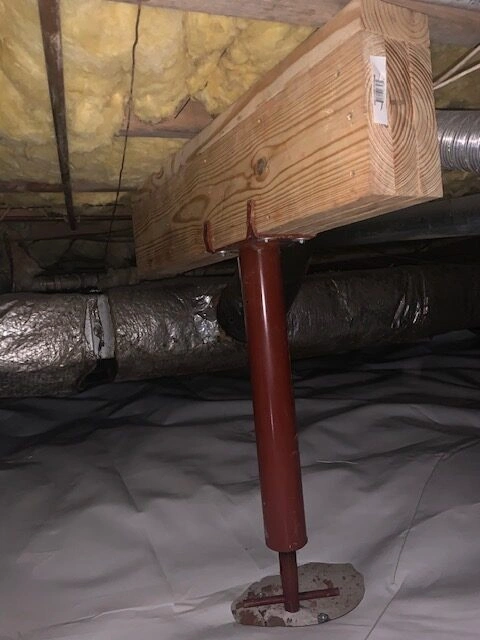
Key Crawl Space Waterproofing Components
Vapor Barrier
A thick polyethylene liner is installed over the soil to reduce moisture evaporation into the crawl space environment.
French Drain System
A perimeter trench system designed to collect and redirect groundwater away from the foundation.
Sump Pump System
A mechanical pump is installed at the lowest point of the crawl space to remove collected water.
Dehumidifier System
Equipment designed to regulate humidity levels and prevent microbial growth.
Encapsulation System
A complete sealing system that isolates the crawl space from ground moisture and outside air.
During an evaluation in Jackson Ward, a failing dehumidifier was identified as the primary contributor to elevated humidity, despite the drainage system functioning.
What Causes Crawl Space Waterproofing Systems to Fail?
System failure is usually the result of multiple contributing factors rather than a single event:
- Long-term material degradation
- Improper drainage design or clogging
- Hydrostatic pressure from saturated soil
- Lack of maintenance or inspection
- Unsealed foundation penetrations or gaps
Even high-quality systems can underperform if environmental conditions exceed original design assumptions.
Homes requiring crawl space waterproofing in Richmond, VA often experience seasonal groundwater fluctuations that place additional stress on below-grade systems.
Common Misconception: “If It Looks Dry, It’s Working”
A dry-looking crawl space does not guarantee a properly functioning waterproofing system. Moisture often exists in vapor form within insulation or inside structural materials, where it is not visible.
Without proper measurement tools, humidity problems can go undetected for years. Moisture meters and hygrometers are essential for accurate evaluation, as visual inspection alone is not sufficient.
Practical Moisture Control Method Used by Professionals
A structured approach helps ensure long-term crawl space performance:
Identify
Detect early signs such as odors, changes in humidity, or minor water intrusion.
Diagnose
Determine whether issues originate from drainage, groundwater pressure, or system failure.
Stabilize
Apply targeted repairs or system upgrades to control moisture entry.
Maintain
Schedule ongoing inspections to ensure continued system performance.
This method reduces recurrence and extends the lifespan of waterproofing systems.
Why Professional Evaluation Matters
Crawl space systems are complex and require a detailed understanding of soil behavior, drainage mechanics, and building science. Professional evaluations help identify root causes instead of treating surface-level symptoms.
At Tiger C Construction, LLC, each inspection is designed to evaluate moisture sources, system performance, and structural impact before recommending repair or replacement.
In Westover Hills, an early inspection identified failing drainage pathways before visible structural damage occurred, preventing significant repair costs.
About Tiger C Construction, LLC
Tiger C Construction, LLC specializes in crawl space moisture management solutions designed to protect structural integrity and improve indoor environmental quality. The company focuses on diagnosing root-cause moisture issues rather than applying temporary fixes.
Services include crawl space inspections, drainage system improvements, vapor barrier installation, dehumidification solutions, and full encapsulation systems. Each project is tailored to site conditions and long-term performance goals rather than one-size-fits-all methods.
In Summary
Warning signs such as standing water, mold growth, structural wood damage, musty odors, and rising humidity indicate that a crawl space waterproofing system may be failing. Early detection and professional evaluation are essential to preventing long-term structural damage and reducing repair costs.
If you are noticing any of these issues, it is important to act quickly before moisture problems worsen. Tiger C Construction, LLC provides professional drainage inspections and repair services to identify the source of the problem and help protect your home from water-related damage.
For a professional assessment and long-term moisture control solutions, contact us today.
People Also Ask
What is the first sign of crawl space waterproofing failure?
Musty odors and rising humidity are typically the earliest detectable signs.
How long does a crawl space waterproofing system last?
Most systems last between 10 and 20 years, depending on environmental conditions and maintenance.
Can crawl space moisture affect indoor air quality?
Yes, moisture and mold spores can migrate into living spaces through air exchange pathways.
When should a waterproofing system be replaced instead of repaired?
Replacement is recommended when multiple components fail or moisture problems repeatedly return.
What happens if crawl space moisture is ignored?
Ignoring moisture can lead to mold growth, structural damage, higher energy costs, and pest infestations.