
Crawl space encapsulation is one of the most effective ways to create a healthier home because it seals out moisture, prevents mold growth, and improves indoor air quality at the source. By transforming a damp, unregulated space into a controlled environment, it protects both your living conditions and your home’s structural integrity.
What Is Crawl Space Encapsulation?
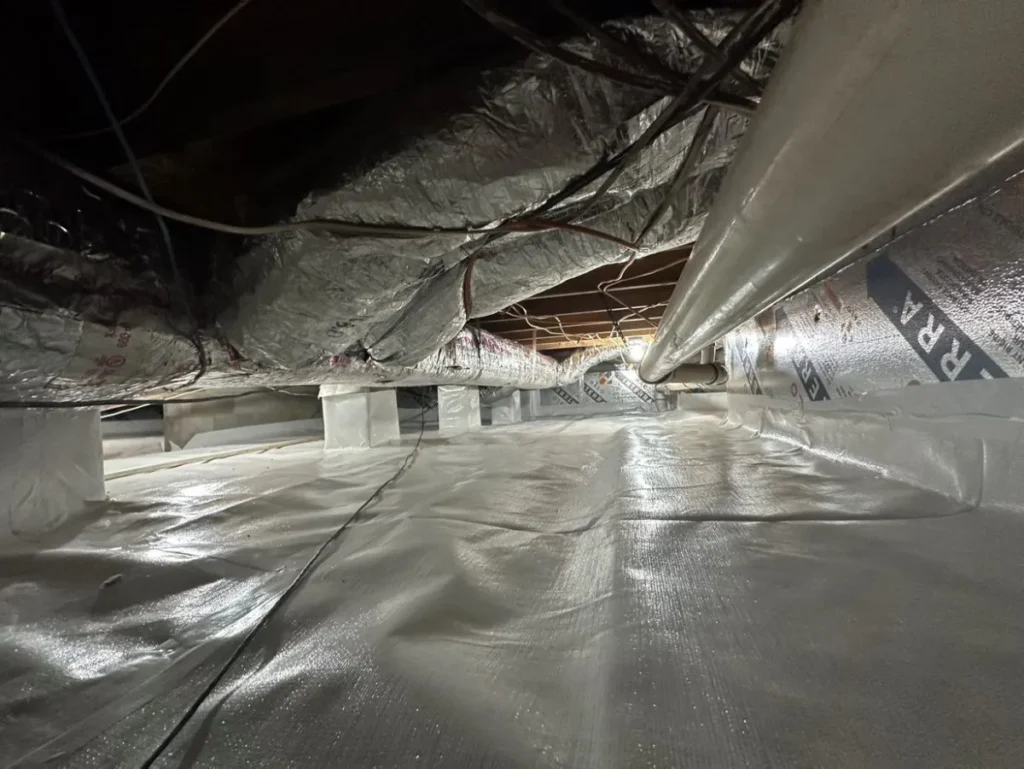
Crawl space encapsulation is a building-science-based process that seals and conditions the area beneath your home. Traditionally, this area is vented to the outside, allowing outside air to enter and introduce humidity, pests, and contaminants. Sealing replaces that open system with a sealed, moisture-controlled environment.
This approach doesn’t just “cover” the problem; it eliminates the conditions that cause it.
Key Components
Vapor Barrier (10–20 mil thickness)
A heavy-duty polyethylene liner is installed across floors and walls to prevent ground moisture from entering.
Air Sealing System
Seals vents, gaps, and penetrations to prevent the infiltration of humid air.
Insulation Strategy
: Maintains thermal consistency and reduces energy transfer.
Dehumidification Unit
: Regulates humidity levels, typically keeping them below 60%.
Drainage System (if necessary)
: Redirects groundwater away from the foundation to prevent pooling.
Why Crawl Space Encapsulation Improves Indoor Air Quality
The air you breathe indoors is directly affected by the conditions below your home. In fact, a significant portion of indoor air originates from the crawl space through a process known as the “stack effect.”
When that space is damp and unsealed, it becomes a source of pollutants.
Key Health Benefits (Numbered List)
- Mold Growth Prevention
Mold thrives in moist environments. By controlling humidity, encapsulation removes the conditions needed for mold to grow. - Reduction of Airborne Allergens
Dust mites, mold spores, and other irritants are significantly reduced. - Cleaner Indoor Air Circulation
Sealing the crawl space prevents contaminated air from entering living areas. - Elimination of Musty Odors
Moisture-related smells are neutralized at their source. - Improved Respiratory Comfort
Many homeowners report fewer allergy and asthma symptoms after encapsulation.
During a recent project in The Fan, elevated humidity in a historic home’s crawl space directly affected indoor air quality. After a full encapsulation system was installed, the homeowner noticed a measurable improvement in air freshness within weeks.
Encapsulation vs. Traditional Crawl Spaces
To understand why encapsulation is so effective, it helps to compare it to conventional crawl space construction.
Comparison Table
| Feature | Traditional Crawl Space | Encapsulated Crawl Space |
| Moisture Control | Inconsistent | Stable & Controlled |
| Mold Risk | High | Minimal |
| Air Quality Impact | Negative | Positive |
| Energy Efficiency | Low | High |
| Pest Intrusion | Common | Greatly Reduced |
| Structural Protection | Limited | Long-Term Protection |
Traditional systems rely on ventilation, but in humid climates, this often makes the problem worse rather than better.
The Science Behind Moisture Control
Moisture is the root cause of most crawl space problems. Understanding how it enters the space explains why encapsulation works so effectively.
Primary Moisture Sources (Numbered List)
- Ground Evaporation
Moisture rises naturally from the soil beneath your home. - Outdoor Air Infiltration
Humid air enters through vents and condenses on cooler surfaces. - Internal Sources
Plumbing leaks, HVAC condensation, and poor drainage contribute additional moisture.
Encapsulation blocks each of these pathways, creating a stable and controlled environment.
In Shockoe Bottom, a property inspection revealed that ground moisture was the dominant issue. After installing a reinforced vapor barrier and sealing the space, humidity levels dropped by over 40%, stabilizing the entire home.
Features That Define a High-Quality Encapsulation System
Not all encapsulation systems are created equal. The effectiveness of the system depends on the materials, design, and quality of installation.
Performance Specifications (Definition List)
Seam Sealing Integrity
Overlapping and sealing seams prevent vapor intrusion.
Full Wall Coverage
Ensures lateral moisture cannot bypass the system.
Dehumidifier Capacity Matching
Proper sizing ensures consistent humidity control.
Mechanical Fastening System
Secures materials for long-term durability.
Airtight Access Doors
Prevents air leakage at entry points.
A professionally installed system should function as a complete moisture control solution—not just a partial upgrade.
Why Experience Matters in Crawl Space Encapsulation
Encapsulation requires more than installation; it requires understanding how moisture, airflow, and structural systems interact. Improper installation can trap moisture rather than eliminate it, leading to costly issues down the line.
Tiger C Construction, LLC is a family-owned company with over 20 years of experience delivering crawl space solutions that are both technically sound and long-lasting. Their approach combines real-world expertise with modern building science, ensuring that every system is customized to the home’s specific conditions.
Homeowners researching crawl space encapsulation in Richmond often find that experience is the key differentiator between a temporary fix and a long-term solution.
Common Myth About Crawl Space Encapsulation
Myth: “Crawl Spaces Need Ventilation to Stay Dry”
The Reality
This belief is based on outdated construction practices. In humid environments, ventilation introduces moisture rather than removing it. When warm, moist air enters a cooler crawl space, condensation forms, raising humidity levels and increasing the risk of mold.
Sealed and conditioned crawl spaces consistently outperform vented systems in moisture control, air quality, and energy efficiency.
Real-World Results You Can Expect
Encapsulation produces measurable, noticeable improvements in both comfort and performance.
Before vs. After (Numbered List)
- Humidity Levels
Before: 70–90%
After: 45–55% - Mold Conditions
Before: Active growth potential
After: Controlled environment - Energy Efficiency
Before: High HVAC workload
After: Reduced energy usage - Indoor Comfort
Before: Uneven temperatures
After: Stable conditions
A homeowner in Church Hill reported that persistent musty odors disappeared within days of completing their encapsulation project, along with improved comfort throughout the home.
When Should You Consider Crawl Space Encapsulation?
Many homeowners don’t realize their crawl space is the source of their home’s issues until the symptoms become obvious.
Warning Signs (Numbered List)
- Persistent musty odors indoors
- Visible mold or mildew
- Condensation on windows or surfaces
- Cold floors or uneven temperatures
- Increased allergy or respiratory symptoms
If you’re experiencing any of these, it may be time to evaluate your crawl space.
For those comparing crawl space encapsulation in Richmond, VA, solutions, identifying these early warning signs can help prevent more costly repairs later.
Cost vs. Long-Term Value
Encapsulation is an investment, but it delivers strong returns in multiple areas.
Value Comparison Table
| Category | Without Encapsulation | With Encapsulation |
| Maintenance Costs | High | Lower |
| Energy Expenses | Ongoing High | Reduced |
| Structural Risk | Elevated | Minimized |
| Home Value | Neutral | Increased |
| Health Impact | Negative | Positive |
When evaluating Richmond crawl space encapsulation options, it’s important to consider not just upfront cost, but long-term savings and protection.
Long-Term Benefits Beyond Health
Encapsulation doesn’t just improve air quality; it enhances your home’s overall performance.
Extended Benefits (Numbered List)
- Increased Home Durability
Reduced moisture prevents wood rot and foundation damage. - Pest Prevention
Sealed environments are less attractive to insects and rodents. - Improved Resale Value
Buyers value homes with documented moisture control systems. - Lower Maintenance Requirements
Fewer repairs related to moisture damage.
These benefits make encapsulation one of the most comprehensive upgrades a homeowner can make.
In Summary: Take Control of Your Home’s Health
Crawl space encapsulation is not just a home improvement; it’s a foundational upgrade that addresses moisture at its source. By improving air quality, increasing energy efficiency, and protecting your home’s structure, it delivers long-term value you can see and feel.
Tiger C Construction, LLC brings over two decades of hands-on experience and a commitment to doing the job right the first time. If you’re ready to create a healthier, more efficient home, contact us today to schedule your crawl space evaluation and take the first step toward lasting protection.
People Also Ask (FAQ Section)
What is crawl space encapsulation in simple terms?
It’s the process of sealing your crawl space to control moisture, improve air quality, and protect your home.
How long does crawl space encapsulation last?
A professionally installed system can last 20 years or more with proper maintenance.
Does encapsulation really improve air quality?
Yes. By eliminating moisture and contaminants, it significantly improves the air circulating throughout your home.
Is encapsulation better than ventilation?
Yes. Modern building science shows sealed systems outperform vented crawl spaces in nearly every category.
Can encapsulation reduce energy bills?
Yes. It improves HVAC efficiency, leading to lower monthly costs.
Is it worth the investment?
For most homeowners, the long-term savings, health benefits, and structural protection make it a highly worthwhile upgrade, especially when considering the need for Richmond, VA crawl space encapsulation in humid environments.