
Basement waterproofing is the process of preventing water from entering a basement using sealing, drainage control, and moisture management. It protects the foundation from damage and helps maintain a safe indoor environment.
Understanding Basement Waterproofing
Basement waterproofing addresses both visible water intrusion and hidden moisture migration through walls and floors. The underlying issue is typically hydrostatic pressure, which occurs when groundwater accumulates around a foundation and exerts force against it. Over time, this pressure pushes water through cracks, joints, and porous materials.
Effective waterproofing is not a single fix. It is a system designed to manage water at multiple points. This includes identifying entry paths, reducing external pressure, and ensuring water is redirected away from the structure. Without this layered approach, temporary fixes often fail.
Homeowners often underestimate how small vulnerabilities can lead to larger problems. A minor crack or damp spot may indicate a broader moisture issue developing behind the surface.
Why Basement Waterproofing Matters
Water intrusion impacts more than just the basement. It affects the entire structural system of a home. Prolonged exposure to moisture can weaken concrete, damage framing materials, and create conditions that support mold growth.
During a recent audit of a firm in a Richmond neighborhood, consistent moisture exposure led to surface deterioration and elevated indoor humidity. These changes were gradual but resulted in noticeable damage over time.
Moisture also affects air quality. When humidity rises in a basement, it often spreads to upper levels. This can make living spaces feel uncomfortable and contribute to long-term indoor environment issues.
Addressing water intrusion early helps maintain structural integrity and prevents secondary problems from developing.
Common Causes of Basement Water Issues
Understanding the causes of basement water problems allows for more effective prevention and solutions.
Poor Drainage Systems
Water must be directed away from the home. When drainage systems are inadequate or blocked, water collects near the foundation, increasing pressure and the likelihood of leaks.
Foundation Cracks
Cracks can form due to settling, temperature changes, or material stress. Even small openings provide a pathway for water to enter under pressure.
Soil Saturation
Soil surrounding the home can become oversaturated during heavy rainfall or due to poor grading. When this happens, water moves toward the foundation in search of lower resistance.
Inadequate Sealing
Older homes or structures without proper protective barriers are more vulnerable to moisture intrusion.
In another Richmond neighborhood case, improper grading allowed water to pool near the structure. Once corrected, the moisture issue was significantly reduced, demonstrating how external factors directly influence basement conditions.
Types of Basement Waterproofing Methods
Waterproofing methods vary depending on the severity and source of the issue. A comprehensive solution often combines multiple approaches.
Interior Waterproofing
Interior methods focus on controlling water that has already entered the basement. This includes sealing cracks and applying protective coatings to reduce the spread of moisture.
These methods are typically used for minor issues or as part of a broader system. While they help manage symptoms, they are most effective when paired with external solutions.
Exterior Waterproofing
Exterior waterproofing targets the source of the problem by preventing water from reaching the foundation. This involves creating a barrier along the outside walls and improving how water moves through the surrounding soil.
By stopping water before it enters the structure, this method reduces long-term pressure on the structure.
Drainage Solutions
Drainage systems are essential for reducing hydrostatic pressure. They redirect water away from the home, preventing buildup around the foundation.
In a Richmond neighborhood project, improving drainage pathways resolved recurring moisture issues and stabilized basement conditions.
Signs Your Basement Needs Waterproofing
Early detection is critical for preventing extensive damage. Homeowners should monitor for the following signs:
- Damp or wet surfaces
- Musty or persistent odors
- Visible mold or mildew
- Water stains on walls or flooring
- Cracks in foundation walls
- Increased indoor humidity
These indicators often appear gradually. Addressing them early reduces the likelihood of structural damage and costly repairs.
How Basement Waterproofing Saves Your Home
Basement waterproofing plays a key role in preserving both the structure and usability of a home.
Structural Protection
Continuous exposure to moisture weakens foundational materials. Waterproofing prevents this degradation and helps maintain stability.
Mold Prevention
Moist environments create ideal conditions for mold growth. Controlling moisture reduces health risks and improves indoor air quality.
Property Value Retention
A dry basement signals proper maintenance. This increases buyer confidence and supports long-term property value.
Cost Control
Preventive action reduces the risk of major repairs. Addressing water issues early avoids more extensive structural damage later.
Functional Space
A dry basement can be used for storage or living purposes. Waterproofing ensures the space remains safe and usable.
The Role of Professional Expertise
Accurate diagnosis is essential for effective waterproofing. Professionals assess multiple factors, including soil conditions, foundation type, and water flow patterns.
A surface-level fix may not address the root cause. For example, sealing a crack without managing external pressure often leads to recurring issues. This is why a system-based approach is necessary.
Homeowners researching basement waterproofing in Richmond benefit from working with contractors who understand how local conditions influence water behavior. Experience in identifying pressure points and drainage issues leads to more reliable outcomes.
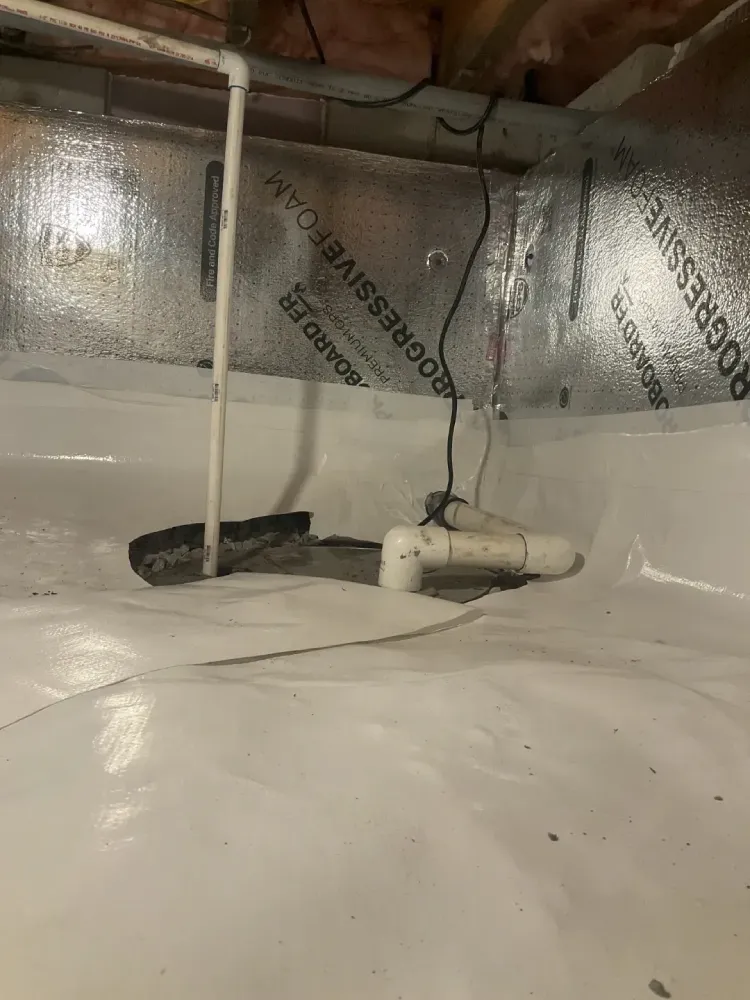
Preventative Tips for Homeowners
While professional solutions are often required, homeowners can take steps to reduce the risk of water intrusion.
- Ensure the ground slopes away from the home
- Keep drainage paths clear and functional
- Monitor humidity levels in the basement
- Inspect walls and floors for early signs of damage
These measures help maintain a dry environment and support the effectiveness of waterproofing systems.
Many property owners exploring basement waterproofing in Richmond, VA, begin with these preventative actions before moving forward with a full evaluation.
Choosing the Right Waterproofing Approach
Selecting the right waterproofing strategy depends on the home’s specific conditions. Factors such as soil composition, water table levels, and foundation design all play a role.
A tailored approach ensures that both the source and symptoms of water intrusion are addressed. Generic solutions often fail because they do not account for these variables.
For homeowners comparing options or evaluating providers offering Richmond basement waterproofing, it is important to prioritize experience, proper assessment, and long-term effectiveness over quick fixes.
Long-Term Benefits of Basement Waterproofing
Beyond immediate protection, waterproofing provides long-term benefits that enhance overall home performance.
A controlled moisture environment reduces wear on building materials. This extends the lifespan of structural components and minimizes maintenance needs.
Consistent indoor conditions also improve comfort. Lower humidity levels reduce strain on heating and cooling systems and help maintain stable temperatures throughout the home.
Over time, these benefits contribute to a more durable and efficient living space.
In Summary
Basement waterproofing is a critical step in protecting a home from water damage and structural decline. By managing moisture, reducing pressure, and sealing vulnerabilities, it preserves the integrity and usability of the entire property.
Taking a proactive approach ensures that small issues do not develop into major problems. For homeowners looking to protect their investment and maintain a stable living environment, working with experienced professionals like Tiger C Construction, LLC is essential.
To learn more or request an evaluation, reach out to us today and get your project started.
People Also Ask
What is the purpose of basement waterproofing?
It prevents water from entering the basement, protects the foundation, and maintains a stable indoor environment.
How do I know if my basement needs waterproofing?
Signs include damp surfaces, musty odors, mold growth, and visible cracks in walls or floors.
Is basement waterproofing worth it?
Yes, it helps prevent structural damage, improves indoor conditions, and supports long-term property value.
How long does basement waterproofing last?
The effectiveness depends on the method used and installation quality, but well-designed systems provide lasting protection.
Can waterproofing stop all basement leaks?
When properly implemented and based on accurate diagnosis, waterproofing can effectively eliminate most sources of water intrusion.