
Foundation problems rarely stay small. Cracks in walls, uneven floors, sticking doors, or moisture around the home can all signal structural movement beneath the property. When these warning signs are ignored, the damage often spreads into flooring systems, plumbing lines, framing, and exterior masonry, leading to significantly higher repair costs over time.
A home’s foundation supports every structural component above it. Even a minor settlement can gradually affect the property’s safety, stability, and long-term value. Homeowners who act early are usually able to prevent more serious structural deterioration and avoid costly restoration work later.
Why Foundation Problems Should Never Be Ignored
Foundation issues affect much more than appearance. Structural movement beneath a home can create long-term problems throughout the property if the root cause is not addressed.
Many homeowners initially dismiss small cracks or uneven flooring as normal settling. However, repeated or worsening symptoms often indicate shifting soil, drainage problems, or structural instability beneath the home.
Common Warning Signs of Foundation Damage
Homeowners should monitor for:
- Cracks in drywall or ceilings
- Uneven or sloping floors
- Doors and windows are sticking or misaligned
- Stair-step cracks in brickwork
- Gaps between walls and flooring
- Moisture buildup in crawl spaces
- Exterior wall separation
- Bowing basement walls
- Chimneys pulling away from the home
During a recent inspection near The Fan, a homeowner believed that recurring cracks in the drywall were simply cosmetic. A full structural assessment later revealed that foundation settlement was caused by poor drainage and soil expansion beneath one corner of the property.
In many cases, early intervention prevents structural movement from spreading into other parts of the home.
The Real Cost of Delaying Foundation Repairs
Foundation damage rarely improves without professional attention. As settlement continues, pressure is transferred throughout the structure, increasing the likelihood of secondary damage.
What begins as a relatively small repair can eventually affect flooring systems, plumbing lines, roofing structures, and load-bearing walls.
Comparison Table: Early Repairs vs. Delayed Repairs
| Factor | Early Repairs | Delayed Repairs |
| Structural Damage | Limited | Extensive |
| Repair Costs | More manageable | Significantly higher |
| Interior Restoration | Minimal | Often required |
| Moisture Intrusion Risk | Reduced | Increased |
| Repair Timeline | Shorter | Longer and more disruptive |
| Property Value Impact | Better protected | Potentially reduced |
Homeowners researching foundation repair services in Richmond often discover that structural issues had been developing for years before visible damage became severe enough to require immediate repairs.
Additional Problems That Can Develop Over Time
Ignoring foundation settlement may eventually contribute to:
- Cracked tile and hardwood flooring
- Plumbing leaks beneath the slab
- Roofline separation
- Damaged drywall and trim
- Exterior brick cracking
- Moisture intrusion and mold concerns
The longer the movement continues beneath the home, the more complicated repairs can become.
How Foundation Problems Affect Property Value
Structural concerns are among the most important findings during home inspections and real estate transactions.
Visible settlement issues can reduce buyer confidence and create concerns for lenders, appraisers, and insurance providers.
Why Buyers Take Structural Issues Seriously
Concerns About Long-Term Stability
Most buyers want confidence that the home is structurally sound and unlikely to require major repairs shortly after purchase.
Potential Financial Liability
Foundation damage often signals future repair expenses involving framing, flooring, plumbing, or drainage systems.
Financing Complications
Some lenders may require additional inspections or repairs before approving financing on homes with unresolved structural issues.
Reduced Marketability
Homes with visible settlement problems may remain on the market longer or receive lower offers.
A homeowner in Church Hill delayed repairs for several years after noticing recurring cracks in the brickwork and uneven floors. By the time repairs were scheduled, the movement had expanded into additional load-bearing areas, increasing both the complexity and cost of stabilization.
What Causes Foundation Problems?
Foundation movement is commonly linked to soil instability, drainage issues, water intrusion, or construction-related conditions.
Understanding the source of settlement is critical because successful repairs must address both the visible damage and the underlying cause.
Common Causes of Foundation Settlement
- Poor Drainage
Water collecting near the foundation can weaken supporting soil and contribute to movement. - Expansive Soil Conditions
Clay-heavy soils expand and contract with fluctuations in moisture, placing pressure on foundations. - Plumbing Leaks Beneath the Home
Underground leaks may gradually soften or erode supporting soil. - Improper Grading
Poor grading can direct water toward the structure instead of away from it. - Tree Root Activity
Large root systems may absorb moisture unevenly and alter soil stability. - Inadequate Soil Compaction
Poor site preparation during construction can increase long-term settlement risks. - Seasonal Moisture Changes
Repeated wet and dry cycles contribute to soil movement beneath the foundation.
Contractors handling foundation repair Richmond, VA projects frequently identify water management issues as one of the primary contributors to structural settlement.
How Foundation Problems Progress Over Time
Foundation damage often develops gradually. Small warning signs may appear months or even years before major structural problems become obvious.
Timeline of Common Foundation Issues
| Timeline | Possible Structural Issue |
| First 3–6 Months | Minor drywall cracks and sticking doors |
| 6–12 Months | Uneven floors and visible wall separation |
| 1–2 Years | Plumbing stress and exterior masonry cracking |
| 2+ Years | Significant settlement and major structural repairs |
Early inspections can help identify problems before widespread damage develops.
Foundation Repair Methods Homeowners Should Understand
Not every foundation issue requires the same repair strategy. The appropriate solution depends on soil conditions, foundation type, drainage conditions, and the severity of settlement.
Professional evaluations help determine the most effective long-term stabilization method.
Common Foundation Repair Solutions
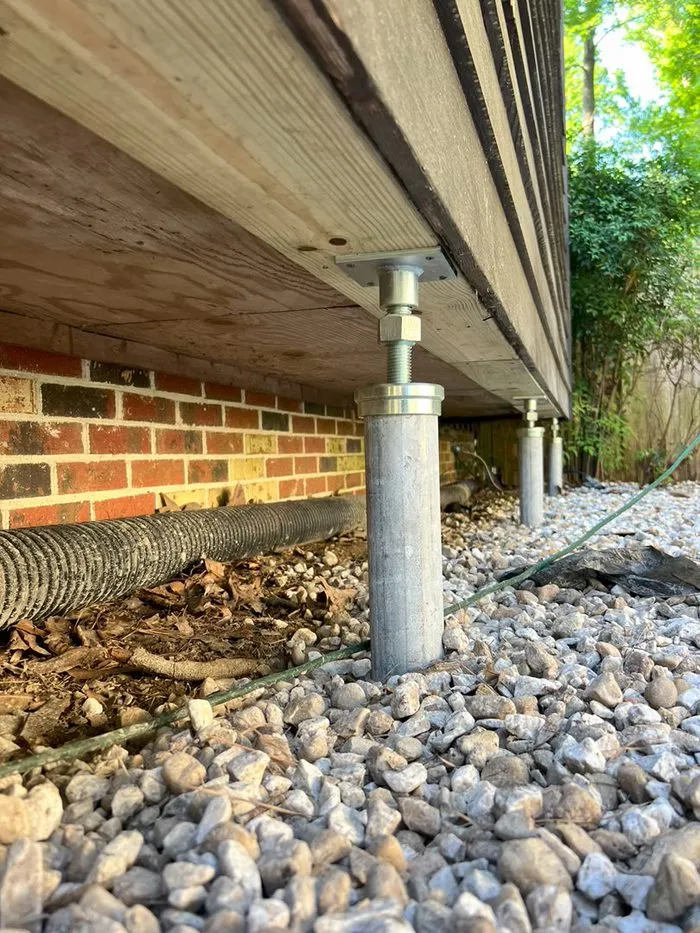
Helical Piers
Steel piers are mechanically installed into stable soil to support settling foundations.
Push Piers
Hydraulically driven supports are designed to transfer structural loads to stable soil layers beneath unstable soil layers.
Slab Jacking
A lifting method used to raise uneven concrete slabs by injecting stabilizing material underneath.
Crawl Space Encapsulation
A moisture-control system designed to reduce humidity and protect wood framing components.
Drainage Correction
Improvements to gutters, grading, and downspouts that help redirect water away from the structure.
Crack Injection Repair
Structural sealing methods designed to help reduce moisture intrusion through foundation cracks.
Professionals performing Richmond foundation repair evaluations typically analyze floor elevations, crack patterns, drainage systems, and soil conditions before recommending repairs.
Common Myth About Foundation Problems
Myth: “Small Cracks Are Always Harmless”
One of the most common misconceptions homeowners hear is that all foundation cracks are normal signs of settling.
While some minor cosmetic cracks may not indicate serious concerns, recurring or widening cracks can signal active structural movement beneath the home.
Signs That Cracks May Require Professional Evaluation
- Horizontal wall cracks
- Stair-step brick cracking
- Cracks wider than 1/4 inch
- Reappearing repaired cracks
- Cracks near doors and windows
- Uneven floors paired with wall separation
A homeowner near Westover Hills repeatedly repaired cracks in the drywall for years before discovering that poor drainage around the property was causing ongoing settlement beneath the structure.
Professional inspections help determine whether cracks are cosmetic or signs of a larger structural issue.
Common Mistakes Homeowners Make With Foundation Problems
Delaying repairs or overlooking early warning signs can lead to avoidable structural damage.
Mistakes That Often Make Foundation Issues Worse
- Ignoring recurring cracks
- Covering structural damage with cosmetic repairs
- Delaying inspections after moisture intrusion
- Failing to correct drainage problems
- Assuming all settlements are harmless
- Waiting until the doors and floors become severely misaligned
Many homeowners underestimate how quickly structural movement can spread once soil conditions begin affecting the foundation.
Why Professional Foundation Inspections Matter
Structural issues are not always visible to the untrained eye. Professional inspections help identify movement patterns before major structural deterioration occurs.
Experienced contractors use elevation measurements, moisture analysis, and visual structural evaluations to assess the property’s condition.
What Contractors Evaluate During an Inspection
| Inspection Area | Purpose |
| Interior Cracking | Determine settlement severity |
| Floor Elevation Measurements | Detect uneven movement |
| Exterior Masonry | Evaluate shifting and separation |
| Crawl Spaces | Identify moisture or wood damage |
| Drainage Conditions | Locate water-related risks |
| Soil Stability | Assess foundation support conditions |
| Structural Load Distribution | Analyze pressure points |
A detailed inspection provides homeowners with a clearer understanding of repair priorities and long-term stabilization options.
The Tiger C Construction Structural Evaluation Process
Homeowners need more than temporary repairs. Long-term structural protection requires a thorough understanding of soil behavior, moisture conditions, and foundation performance.
The Tiger C Construction Evaluation Process Includes:
- Full structural assessment
- Drainage and moisture evaluation
- Foundation movement analysis
- Repair recommendation planning
- Long-term stabilization strategy
Tiger C Construction, LLC focuses on detailed evaluations and customized repair solutions designed to help homeowners protect their investments and maintain long-term structural stability.
Committed to preserving your investment, the company has earned trust among automotive enthusiasts and luxury car owners who understand the importance of stable garages, driveways, and supporting structures for high-value vehicles and properties.
Preventative Maintenance Helps Protect Your Foundation
Preventive maintenance is one of the most effective ways to reduce the risk of serious structural damage.
Routine monitoring and proper moisture management can help preserve foundation stability for years.
Best Practices for Foundation Protection
Maintain Proper Drainage
Ensure gutters and downspouts move water away from the home.
Monitor Soil Moisture Levels
Avoid allowing soil near the foundation to become excessively dry or oversaturated.
Address Plumbing Leaks Quickly
Even slow leaks beneath the home can weaken supporting soil over time.
Schedule Routine Structural Inspections
Periodic evaluations can help identify early-stage settlement before major damage develops.
Watch for Structural Changes
Pay attention to expanding cracks, floor movement, or recurring alignment problems.
Homeowners investing in Richmond, VA, foundation repair solutions often find that preventative maintenance significantly reduces the likelihood of future structural complications.
Why Early Repairs Save Money
Foundation movement tends to worsen gradually over time. Addressing problems early often prevents secondary damage and reduces long-term repair costs.
Financial Benefits of Early Repairs
- Lower overall repair expenses
- Reduced risk of water intrusion and mold
- Better protection of resale value
- Fewer interior restoration costs
- Improved structural longevity
- Reduced the likelihood of emergency stabilization work
The earlier structural movement is identified and corrected, the easier repairs are typically to manage.
In Summary
Ignoring foundation problems can lead to structural instability, moisture intrusion, interior damage, and rising repair costs throughout the home. What begins as a small crack or uneven floor can eventually spread into larger structural concerns if the underlying issue is left unresolved.
At Tiger C Construction, LLC, early inspections and timely repairs help homeowners protect structural stability, preserve property value, and avoid more extensive restoration work later.
If you have noticed signs of settlement, cracking, moisture intrusion, or uneven flooring, contact us today to schedule a detailed foundation evaluation and learn more about reliable long-term repair solutions designed to protect your home, garage, and investment.
People Also Ask
How do I know if foundation cracks are serious?
Cracks that widen over time, appear horizontally, or occur alongside uneven floors and sticking doors may indicate structural movement and should be professionally evaluated.
Can foundation problems lower home value?
Yes. Structural issues can negatively affect appraisals, financing approval, buyer confidence, and resale negotiations.
What is the most common cause of foundation damage?
Poor drainage and unstable soil conditions are among the leading causes of residential foundation settlement.
Are foundation repairs covered by homeowners’ insurance?
Coverage depends on the cause of the damage and the policy’s terms. Gradual settlement is often excluded from standard coverage.
How long do foundation repairs usually take?
Repair timelines vary depending on the severity of the issue and the repair method being used.
Can homeowners stay in the home during repairs?
In many cases, yes. Most residential foundation repair projects can be completed while the property remains occupied.